
Women's Hair Transplant in London for discreet, natural density.
Female pattern thinning, widened partings and hairline concerns treated with women's hair transplant plans designed for soft, undetectable results at our Regent Street clinic.
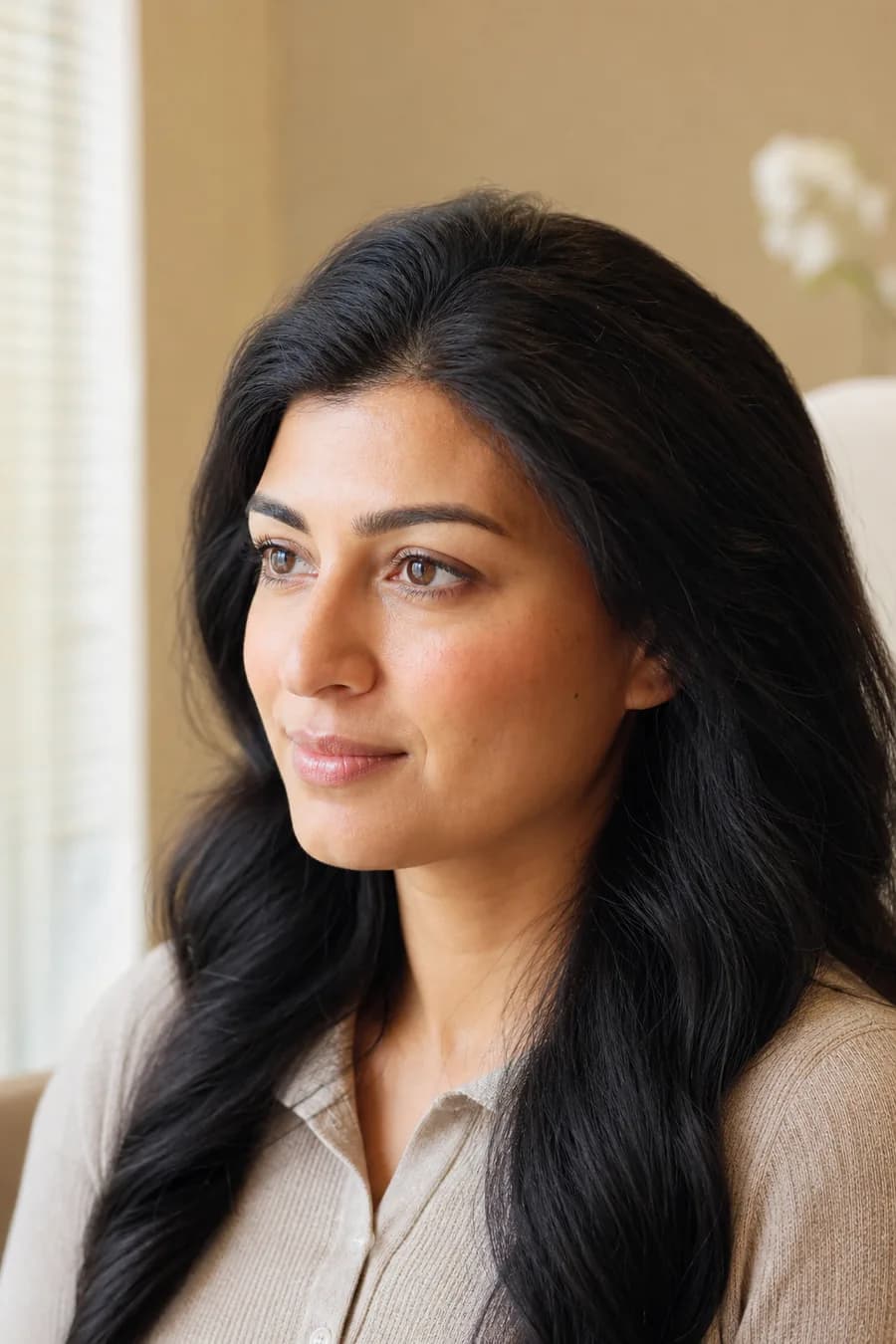
What is a women's hair transplant?
A women's hair transplant restores density where female pattern hair loss, traction damage, or hairline recession has thinned the scalp. Grafts are taken from a stable donor area and placed where thinning shows most, using techniques that respect female hairline shape, parting direction and styling habits.
Women often present with diffuse thinning rather than complete baldness. That means candidacy is not automatic: we assess donor supply, loss pattern, medical history and whether surgery will genuinely improve what you see in the mirror. Not every woman with thinning is a surgical candidate, and we say so clearly.
Design differs from male restoration. Feminine hairlines are typically softer and more rounded. Parting density, crown diffusion and frontal framing matter more than lowering a hairline aggressively. At MHB Clinic in Mayfair we plan around how you actually wear your hair.
Many women combine transplant with medical or regenerative care. Surgery addresses permanent density where follicles are gone or too weak to recover. Honest planning protects your donor hair and avoids over-promising on diffuse loss that medical therapy may still help.
Book a free Consultation for Women's Hair Transplant.
Tell us you are interested in Women's Hair Transplant. We will confirm a time at our Regent Street clinic.
- 100% free Consultation
- Expert Consultant
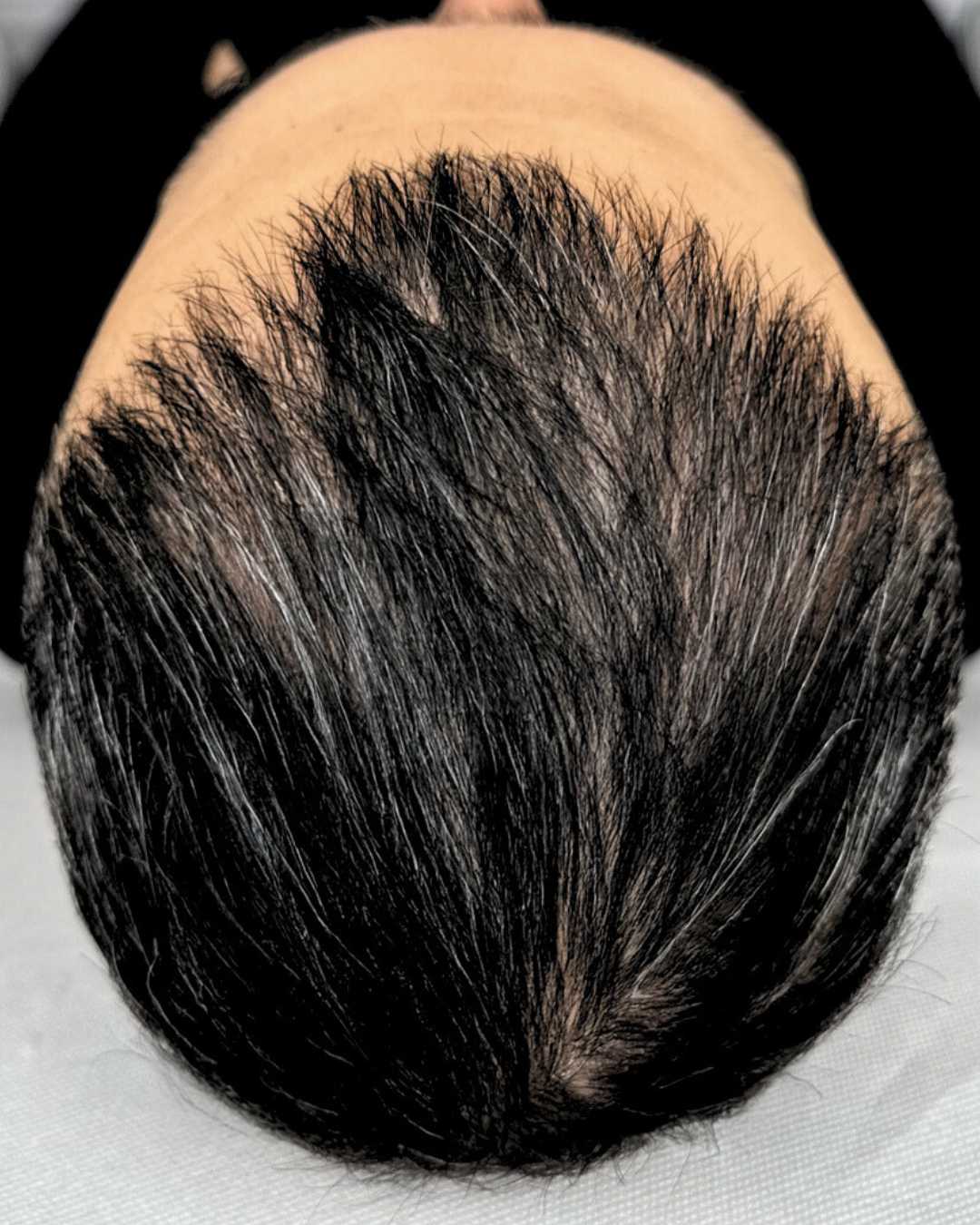
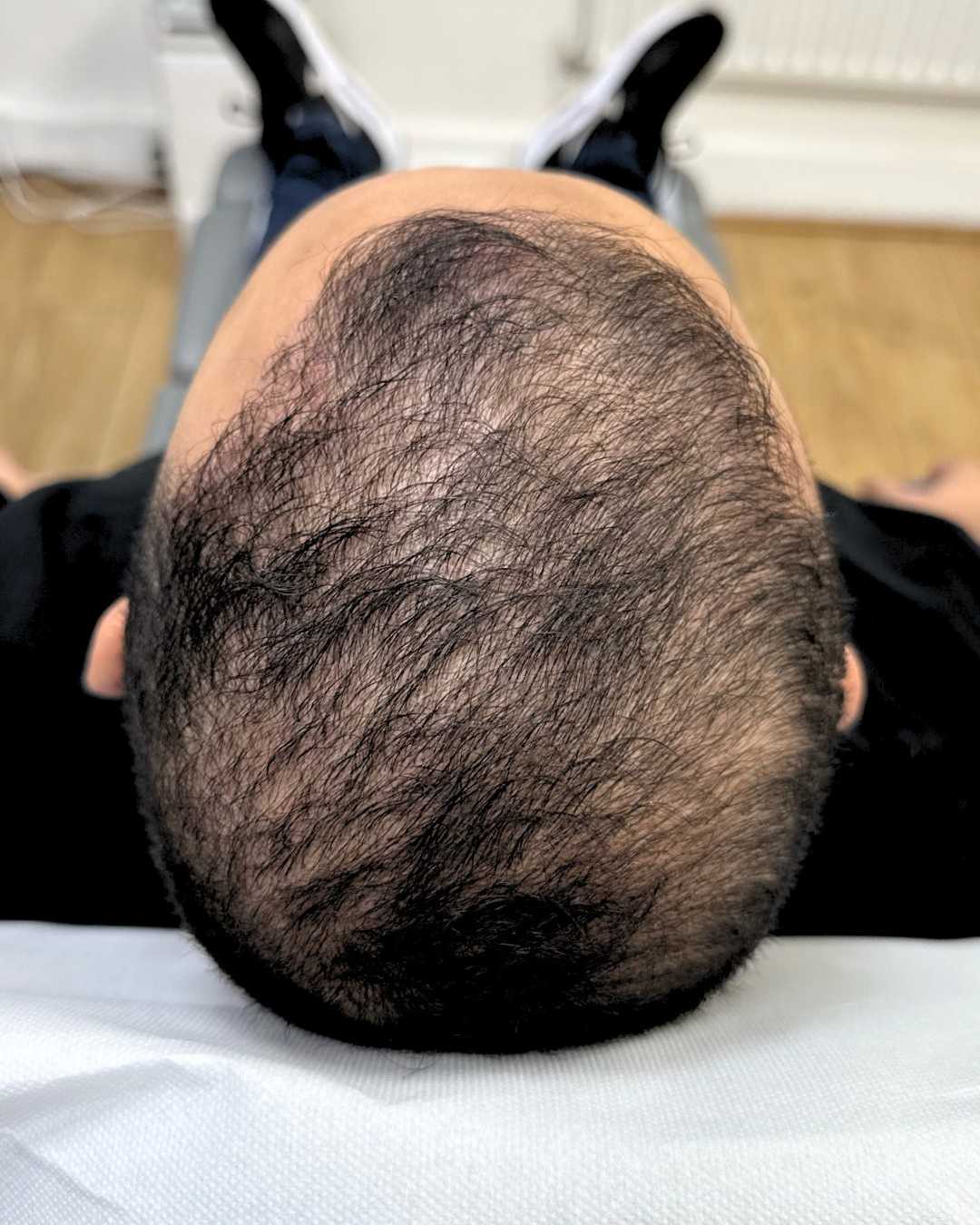
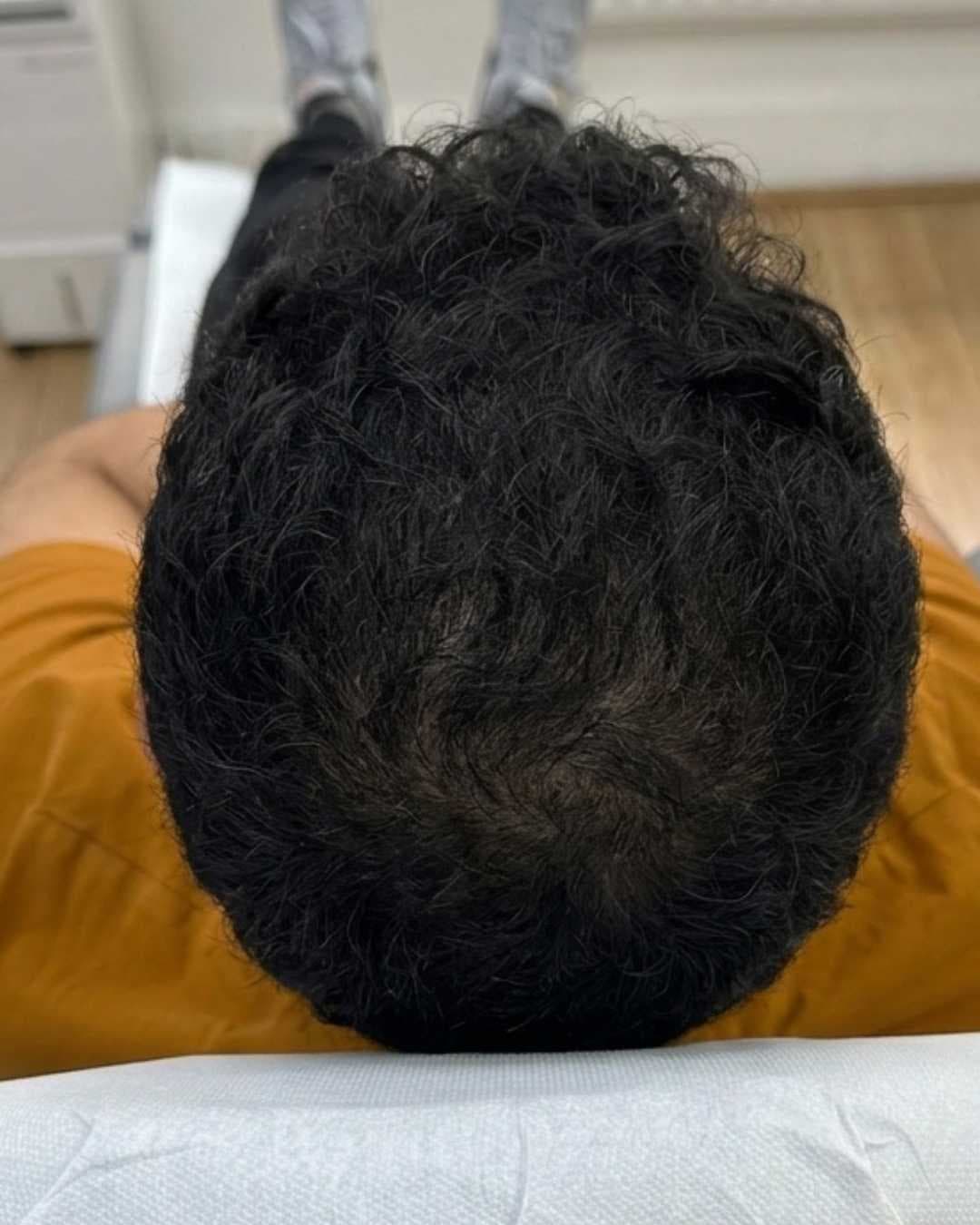
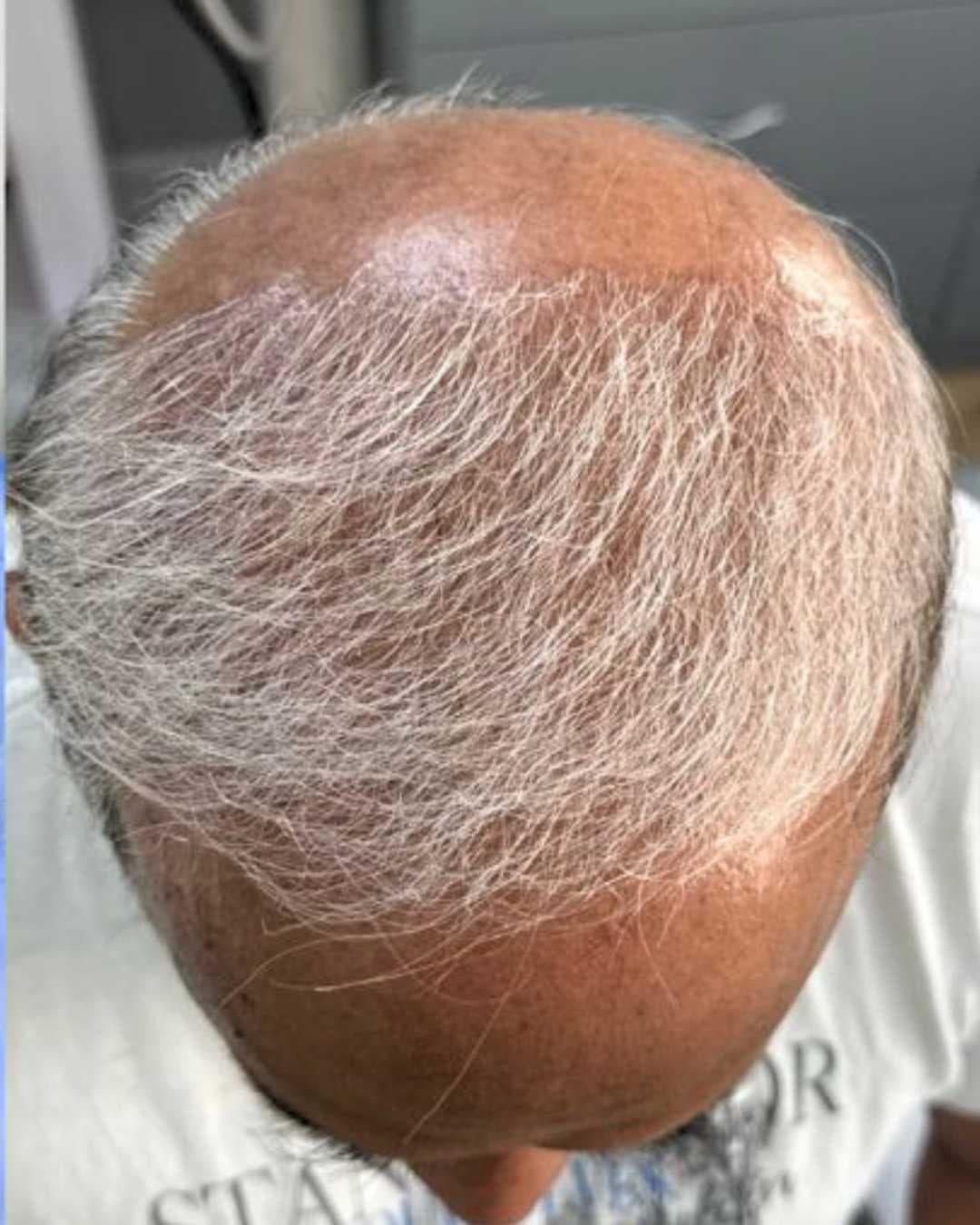
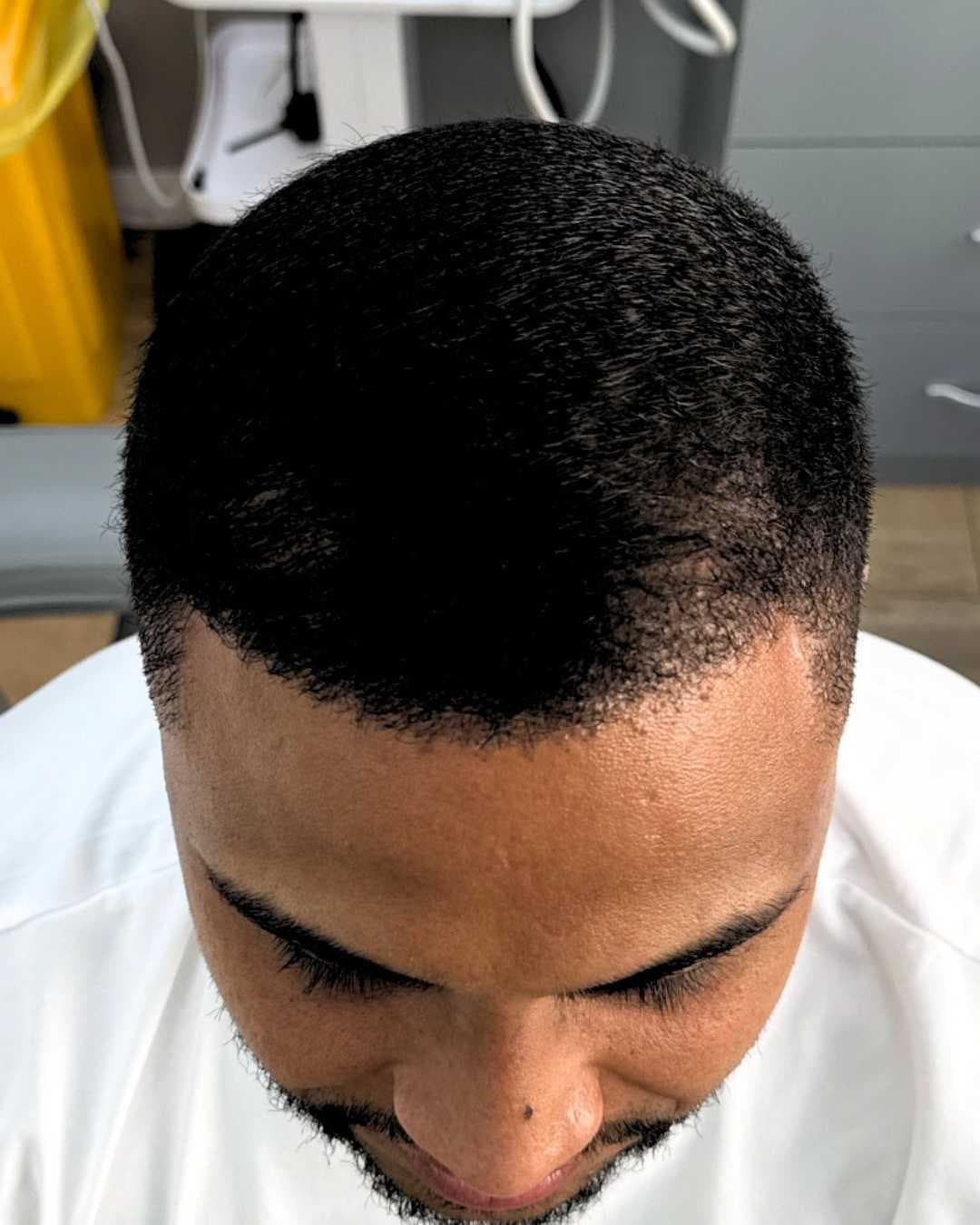
Before & after, honestly.
Real before and after outcomes from hair restoration at MHB Clinic. Swipe or drag the slider to compare.
Swipe sideways to see more cases →
 After
After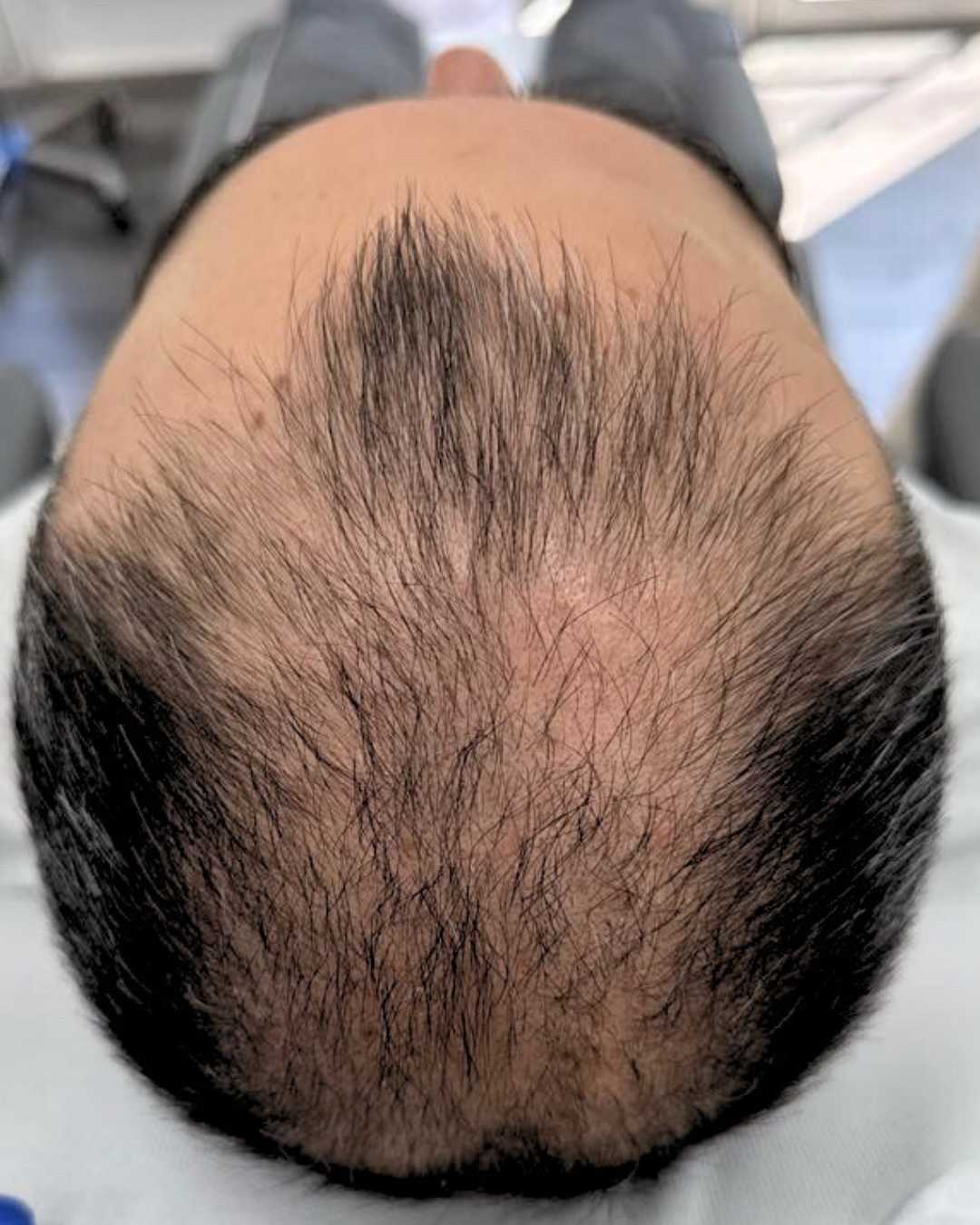 Before
 After
After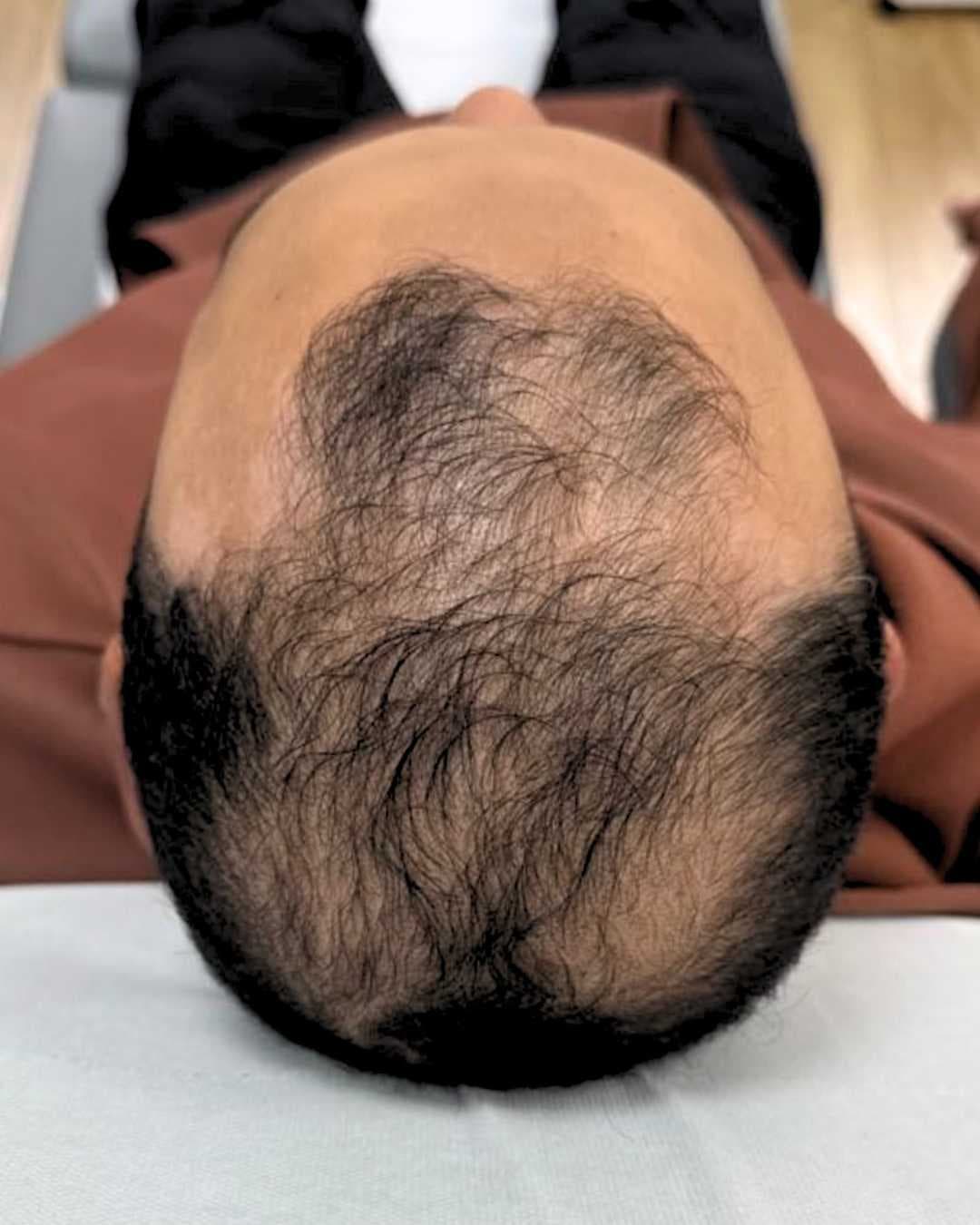 Before
 After
After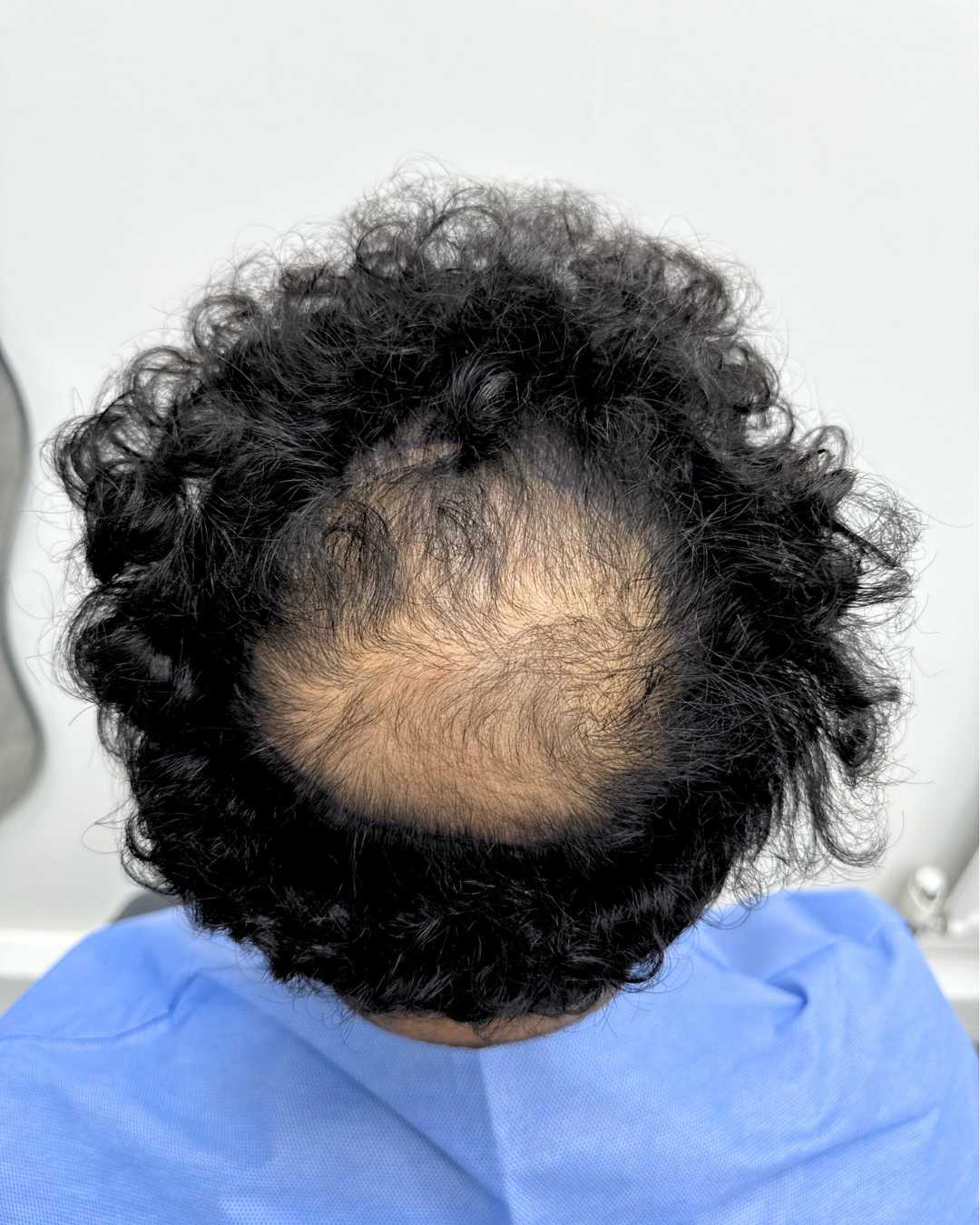 Before
 After
After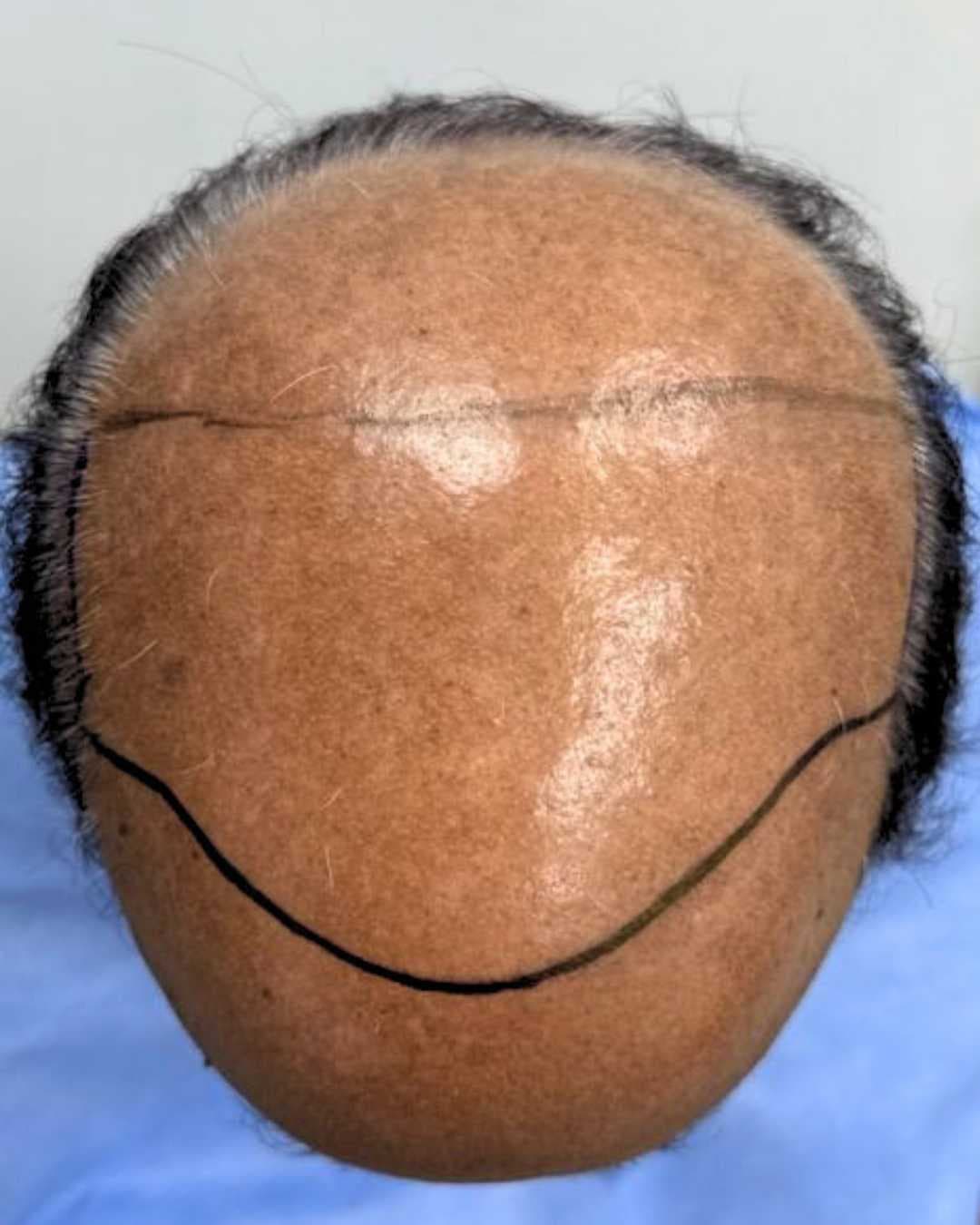 Before
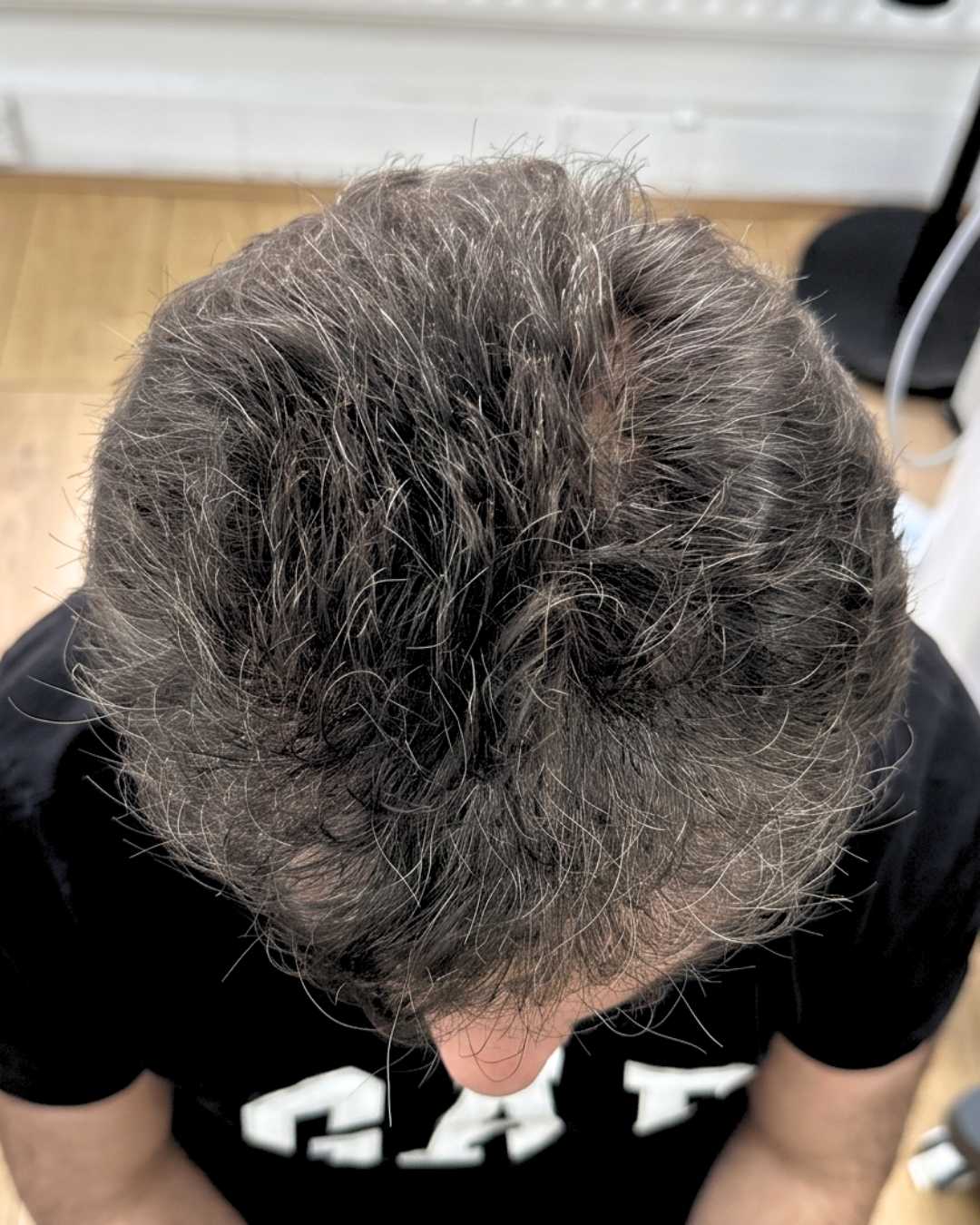 After
After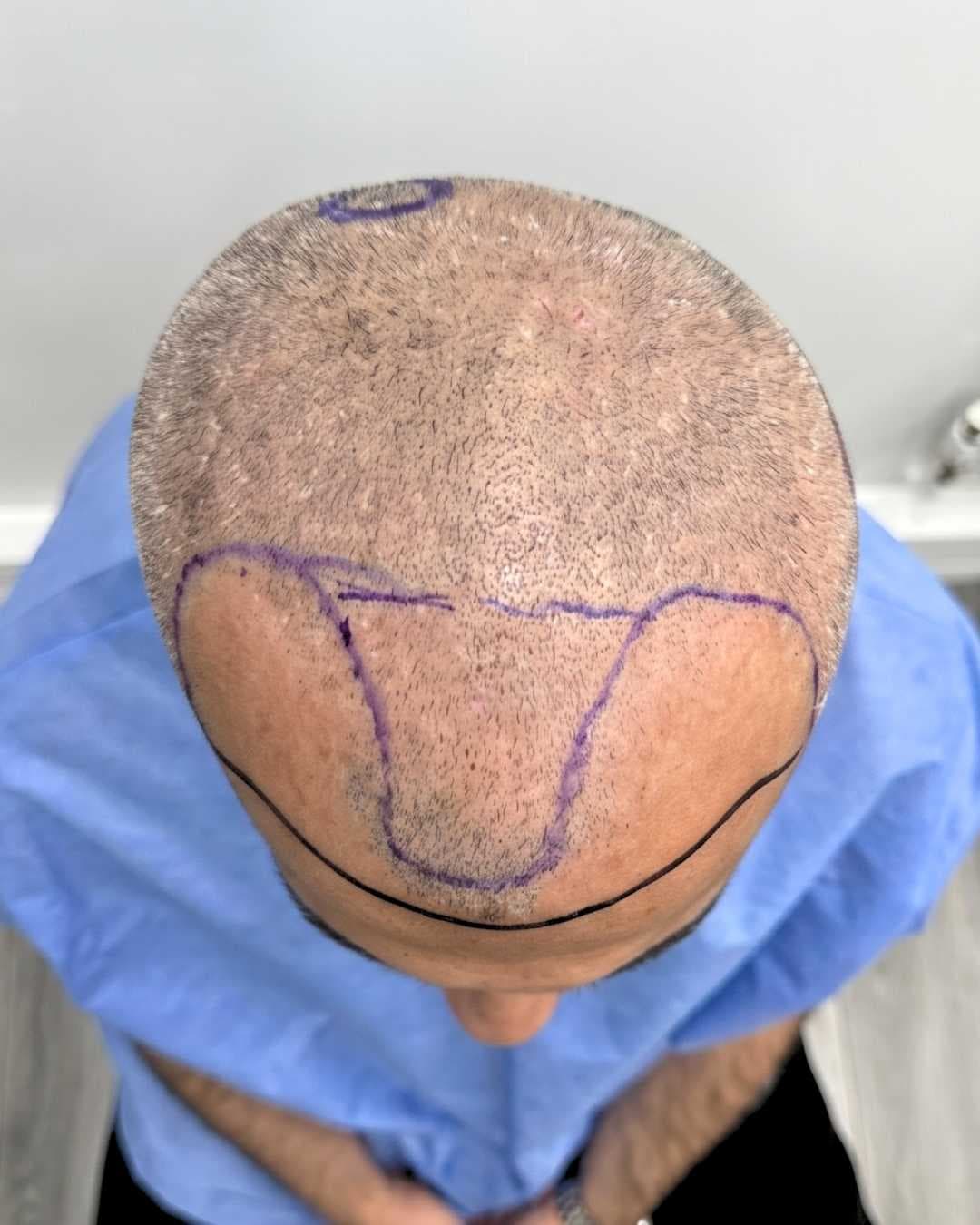 Before
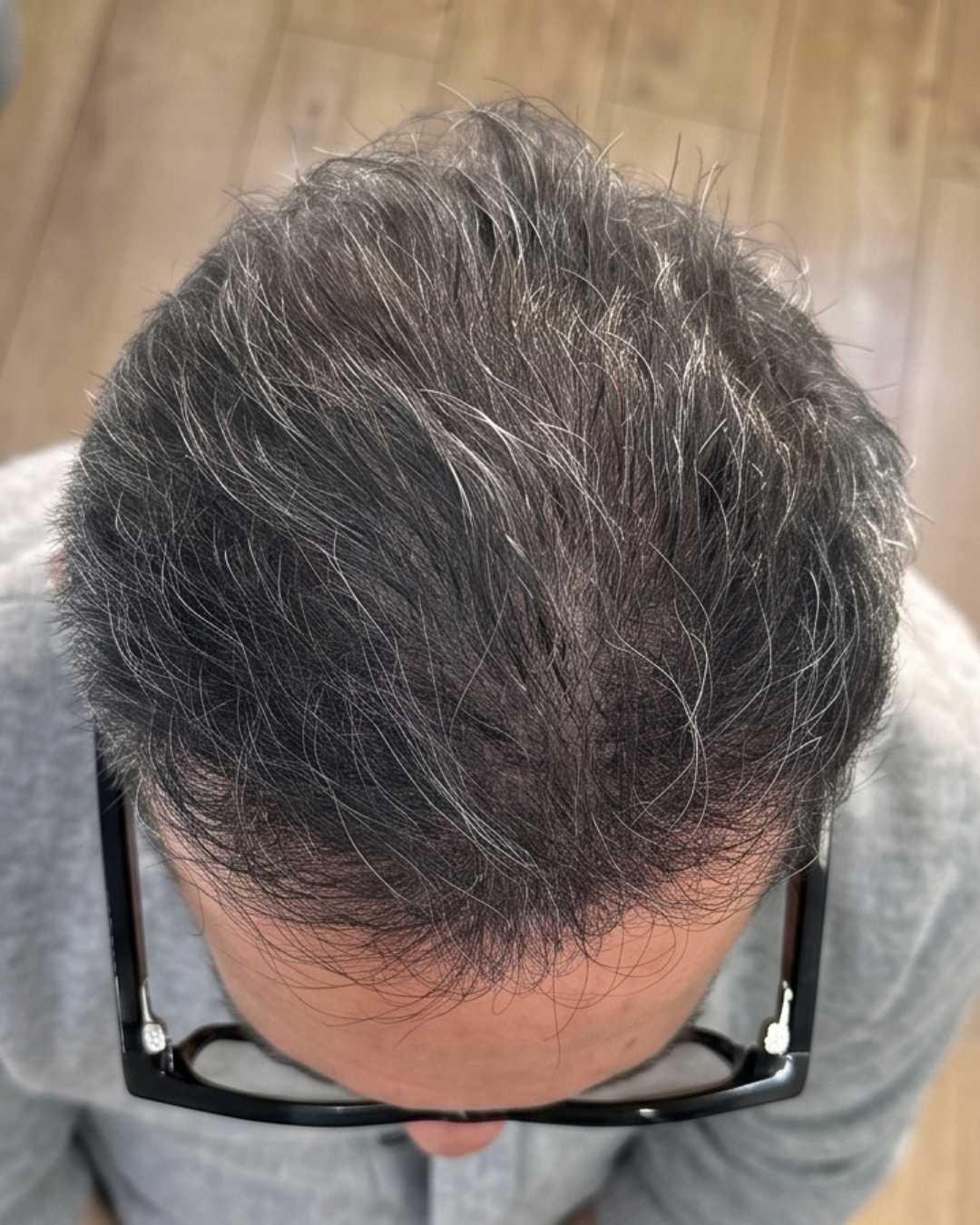 After
After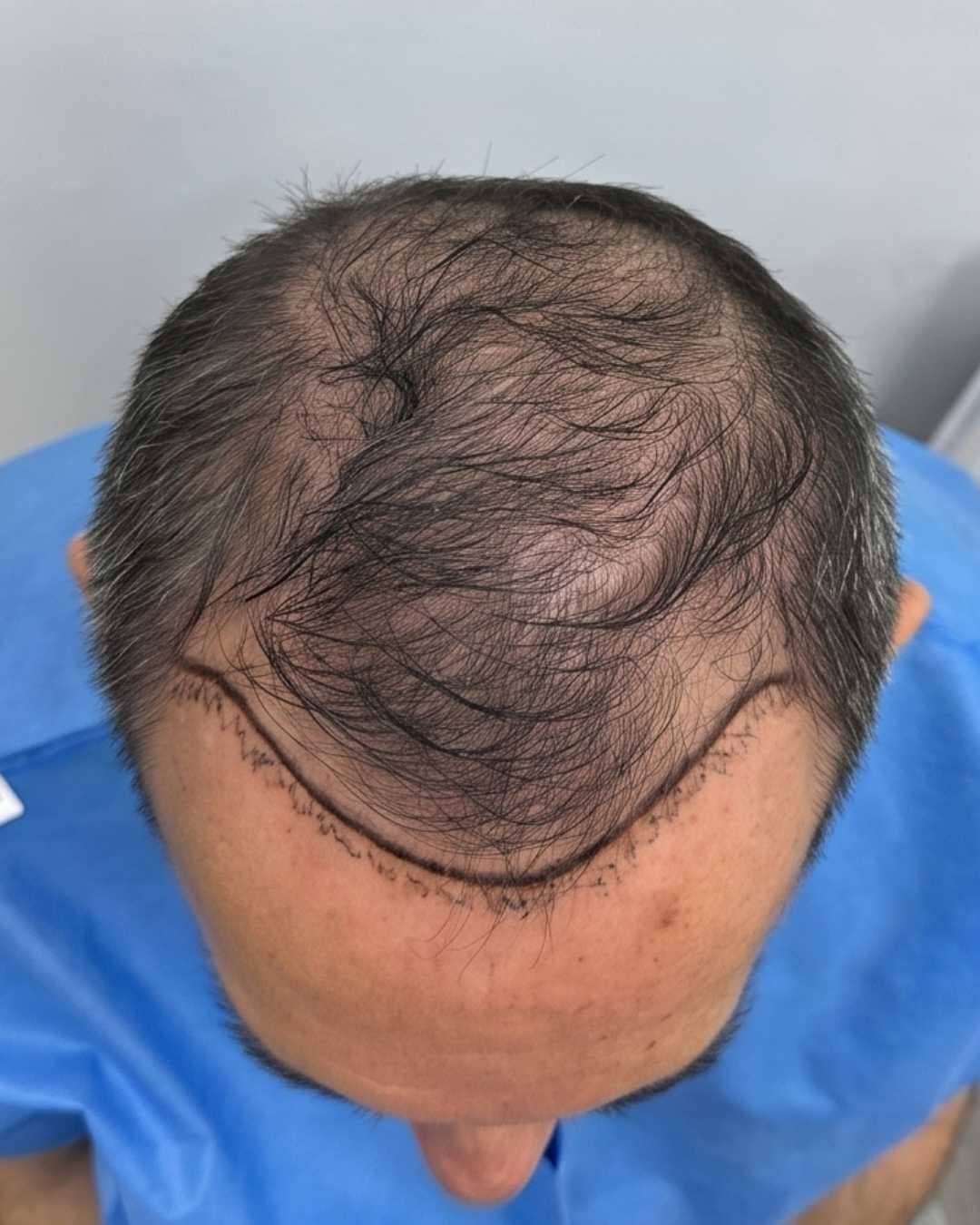 Before
 After
After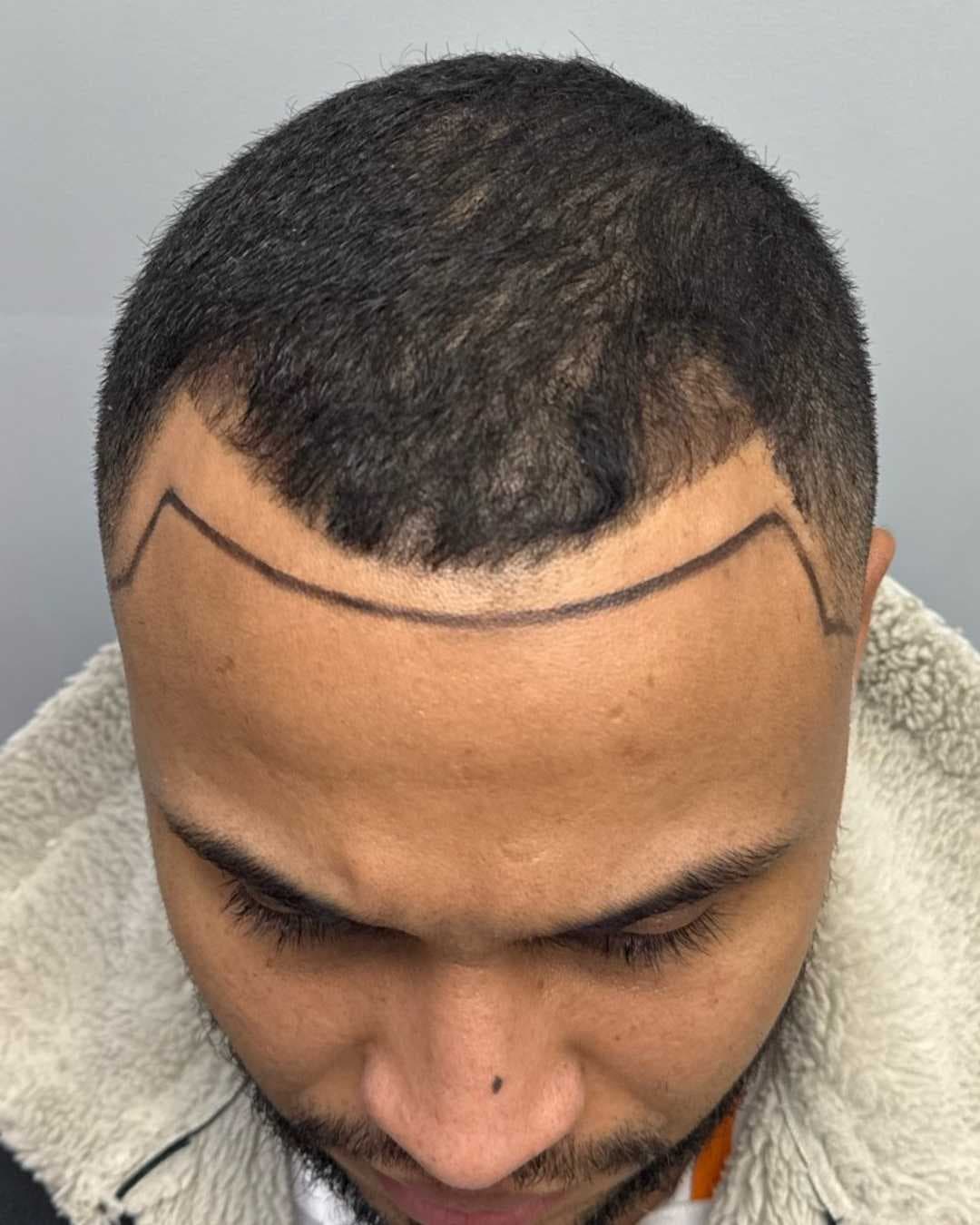 Before
How female hair loss differs from male pattern baldness.
Female pattern hair loss often shows as a widening part, thinning through the mid-scalp or crown, or reduced ponytail volume, rather than a receding M-shaped hairline. Traction alopecia from tight styles, postpartum shedding and hormonal shifts can also play a role.
Because the pattern is different, so is candidacy screening. Diffuse thinning across the whole scalp may mean donor is limited relative to the area that looks thin. We map where loss is patterned, where donor is stable, and whether grafts will create visible improvement.
- Widening part: a common goal is density along the part line where scalp shows through
- Crown diffusion: careful planning so coverage looks natural from above and when hair is down
- Traction loss: may be localised and suitable when the cause is controlled and scalp is healthy
- Diffuse thinning: needs honest assessment; surgery is not always the right first step
Feminine design and discreet donor planning.
At consultation we discuss your styling routine, whether you part centrally or to the side, and how much donor can be harvested without disrupting your everyday look. Full-head shaving is not always required. Long-hair FUE and strategic harvest zones are discussed when discretion matters.
Hairline work, when needed, follows softer contours rather than masculine templates. Density is built where it shows: along the part, through the frontal zone, or at the crown, depending on your pattern and goals.
- Hairline design respects age, face shape and ethnic hair characteristics
- Donor harvest planned around how you wear your hair day to day
- Single-hair grafts at the front edge when hairline refinement is part of the plan
- Photography at baseline so progress can be judged fairly over months
What to expect on procedure day.
A typical women's hair transplant at our Regent Street clinic is completed in one day under local anaesthetic. You remain awake and comfortable. Session length depends on graft numbers and whether donor harvest needs a discreet approach.
After extraction and graft preparation, placement follows the angles and direction of your existing hair so new growth blends naturally. Most women plan a few days of lighter activity while the scalp settles.
- Arrive with hair as discussed at consultation (wash instructions given beforehand)
- Bring a loose head covering if you prefer for the journey home
- Avoid strenuous exercise, swimming and heavy sun for the period we advise
- Follow the written aftercare sheet; contact us if redness, pain or swelling concerns you
Healing, shedding and the growth timeline.
Transplanted hairs typically shed within the first few weeks. That is normal. New growth usually begins around month three, with visible density building through months six to twelve. Mature results are judged at about a year.
We review healing at agreed intervals and guide you through the phases when hair can look uneven or finer before it thickens. Patience through the growth cycle is part of an honest women's transplant plan.
- Week 1-2: crusting settles; gentle washing as instructed
- Month 1-3: shedding phase; new growth starting beneath the surface
- Month 6-9: noticeable density improvement for most patients
- Month 12: mature result assessment and discussion of any refinement if needed
Women's FUE vs medical therapy vs PRP vs no surgery
Use this table when you are deciding what fits female pattern thinning. We recommend based on your scalp and donor, not a sales script.
| Factor | Women's FUE | Medical therapy | Hair PRP / PRF | No surgery yet |
|---|---|---|---|---|
| Best for | Stable patterned loss with adequate donor | Hormonal or pattern loss where medication may help | Early thinning where follicles still perform | Active shedding, unclear diagnosis or limited donor |
| What it does | Permanent grafts in thinning zones | May slow loss or support regrowth when suitable | Supports existing follicles over a course | Observation, further tests or lifestyle changes |
| Downtime | Days of social downtime; months to mature | None from tablets or topical care alone | Usually same-day return to desk work | Not applicable |
| Replaces bald areas? | Yes, where grafts are placed | Depends on response and diagnosis | No | Not applicable |
| When we say no | When donor cannot support the visible area | When surgery is requested before medical assessment | When follicles are already gone in the target zone | When rushing treatment would waste donor or delay proper care |
Why women choose surgical restoration here.
Surgeon-led planning on Regent Street with feminine design standards and honest candidacy screening.
Parting and density focus
Common goals include thicker part lines, crown coverage and frontal framing that looks natural when hair is worn down.
Feminine hairline design
Soft, rounded contours rather than masculine templates. Age-appropriate planning that suits your face.
Discreet donor options
Harvest strategies discussed around your styling routine, including approaches that avoid full-head shaving when possible.
Honest candidacy screening
We tell you clearly when diffuse thinning, limited donor or medical causes mean surgery is not the right next step.
Combined pathway advice
Surgery sits alongside open discussion of medical therapy, PRP or PRF when that combination makes clinical sense.
Local London follow-up
Reviews happen in the same Mayfair clinic that treated you, so aftercare advice stays consistent through the growth phase.
How women's transplants work at MHB Clinic.
Assessment-led surgery with density planned where it shows most in daily styling.
Female-pattern assessment
We diagnose the likely cause, examine donor and recipient areas, and confirm whether surgery will meaningfully improve your concern.
Design for styling
Parting, hairline and density mapped to how you wear your hair, with discreet donor planning agreed in advance.
FUE restoration
Grafts harvested and placed at natural angles for soft, blended coverage in the agreed zones.
Aftercare and review
Written guidance through shedding and regrowth, with follow-ups to track healing and maturation over months.
Who is a women's hair transplant for?
Women with sufficient donor hair and patterned or localised thinning who want lasting density. Suitability is confirmed at a free Consultation.
- Widened partings where scalp shows through when hair is styled
- Female pattern crown or mid-scalp thinning with stable donor
- Traction or localised loss suitable for grafting when the cause is controlled
- High or uneven hairlines seeking soft, feminine refinement
- Patients not fully helped by medical or regenerative therapy alone
- Stable enough loss pattern for surgery with realistic density goals
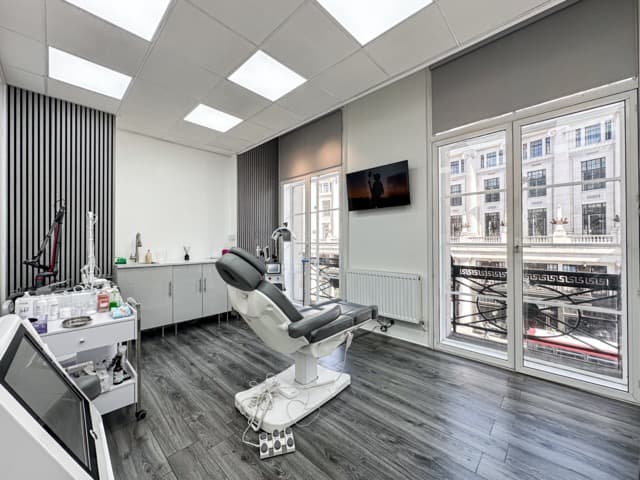
Treated in the heart of London.
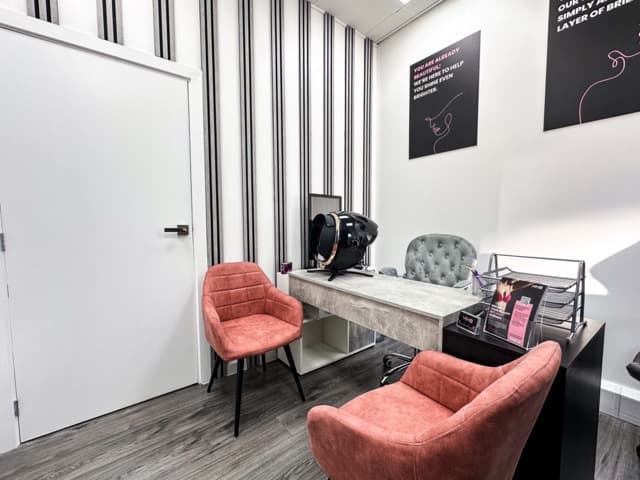
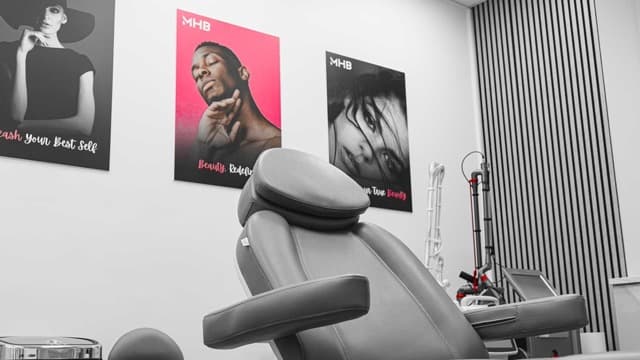
Your women's hair transplant treatment takes place in our calm Regent Street suite. Personal care, medical standards, and a team that stays with you from consultation through aftercare.

What patients say on Google.
Women's Hair Transplant in London, answered.
Clear answers on candidacy, design, recovery and cost before you book at our Regent Street clinic.
Can women have hair transplants?
Yes, when donor hair and diagnosis support it. Not every woman with diffuse thinning is a candidate. We assess pattern, donor supply and medical history at Consultation and explain honestly if surgery is not appropriate.
Is female hair transplant different from male?
Design and patterning differ significantly. Women often need parting density and soft frontal work rather than aggressive hairline lowering. Diffuse thinning needs careful screening so donor is not over-used.
Will I need to shave my head?
Not always. Discreet harvest strategies and long-hair FUE options are discussed when shaving would affect your lifestyle or work. The approach depends on graft numbers and donor access.
How long until I see results?
Transplanted hairs shed in the first weeks, which is normal. New growth typically starts around month three, with visible density by months six to nine and mature results near twelve months.
How much does a women's hair transplant cost in London?
Cost depends on graft numbers, zones treated and complexity of donor planning. We provide a personalised quote at your free Consultation. There is no fixed online price because every plan is individual.
Can a transplant fix hormonal shedding alone?
Underlying causes should be assessed first. Surgery addresses density where follicles are gone or too weak to recover. Active hormonal or medical shedding may need management before or alongside any surgical plan.
Is FUE typical for women?
Often yes, for flexibility, discreet donor healing and precise placement in parting and frontal zones. Your surgeon confirms technique after assessment.
Why choose MHB Clinic for women's hair restoration in London?
You get surgeon-led feminine design on Regent Street, honest candidacy screening, discreet donor planning options and local follow-up through the full growth timeline.
Find out if surgical restoration suits your pattern.
Honest assessment before any plan.
Book a free, no-obligation Consultation at our Regent Street clinic. We will assess your scalp, discuss feminine design goals and confirm whether a women's hair transplant is the right next step for you.
- 100% free Consultation
- Expert Consultant