
Temple Hair Transplant in London to restore the corners of your frame.
Receding temples widen the forehead and age the face. Precise temple-point restoration rebuilds balance with natural density, acute angles and direction matched to your hairline at MHB Clinic on Regent Street.
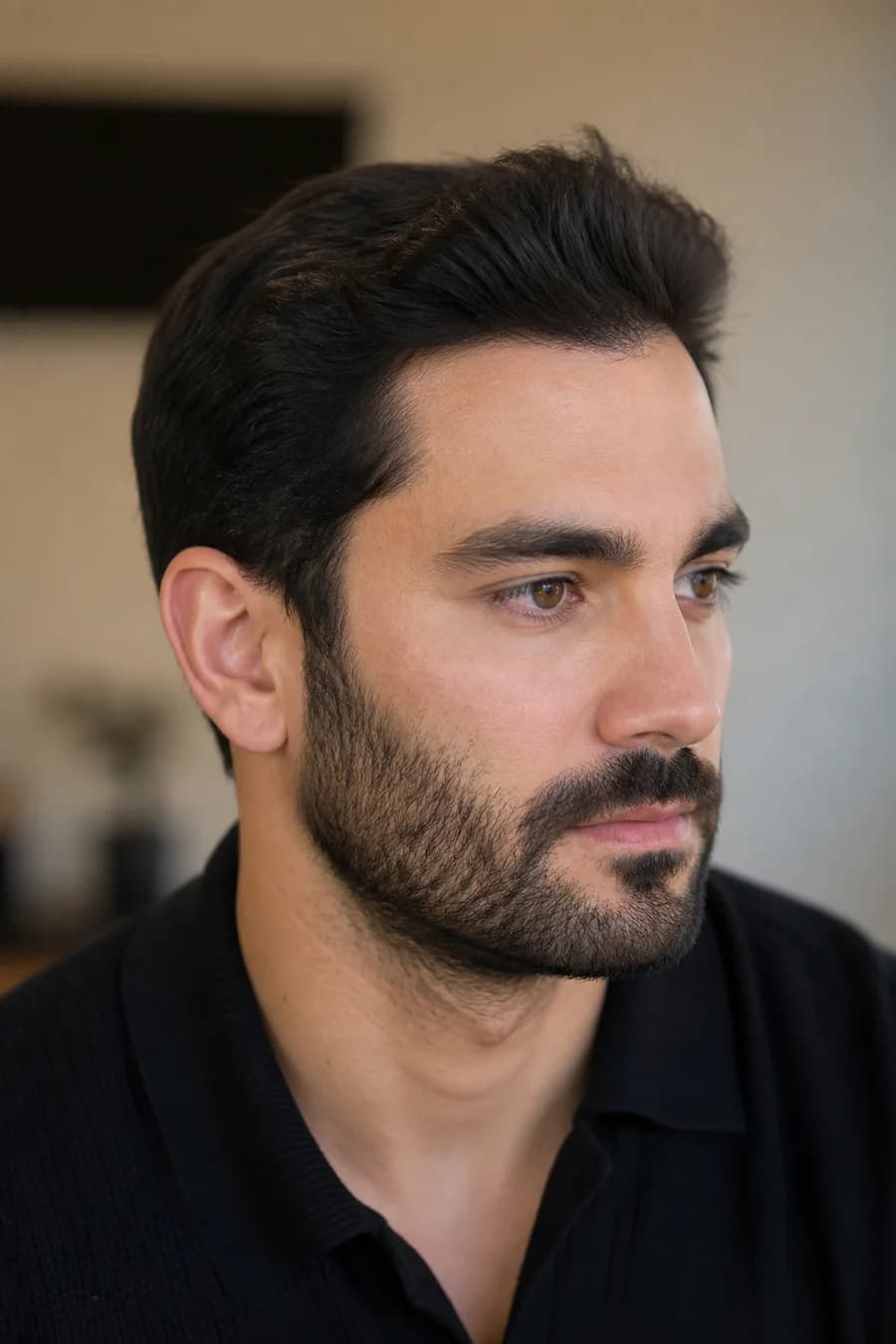
What is a temple hair transplant?
A temple hair transplant restores the temporal points and recession zones at the sides of the hairline where pattern loss often starts. Temples are among the first areas many men notice thinning, yet they are easy to get wrong surgically.
Temple work demands acute angles and careful density. Too much graft density or the wrong direction looks unnatural; too little leaves the face looking wide and the hairline unfinished.
At MHB Clinic temple restoration is planned with the central hairline so the full frontal frame reads as one continuous, natural result. We treat temples as part of facial framing, not an isolated patch.
Most temple transplants use FUE for precise placement and discreet donor healing. Graft numbers and whether temples alone are enough are confirmed at a free Consultation after assessment.
Book a free Consultation for Temple Hair Transplant.
Tell us you are interested in Temple Hair Transplant. We will confirm a time at our Regent Street clinic.
- 100% free Consultation
- Expert Consultant
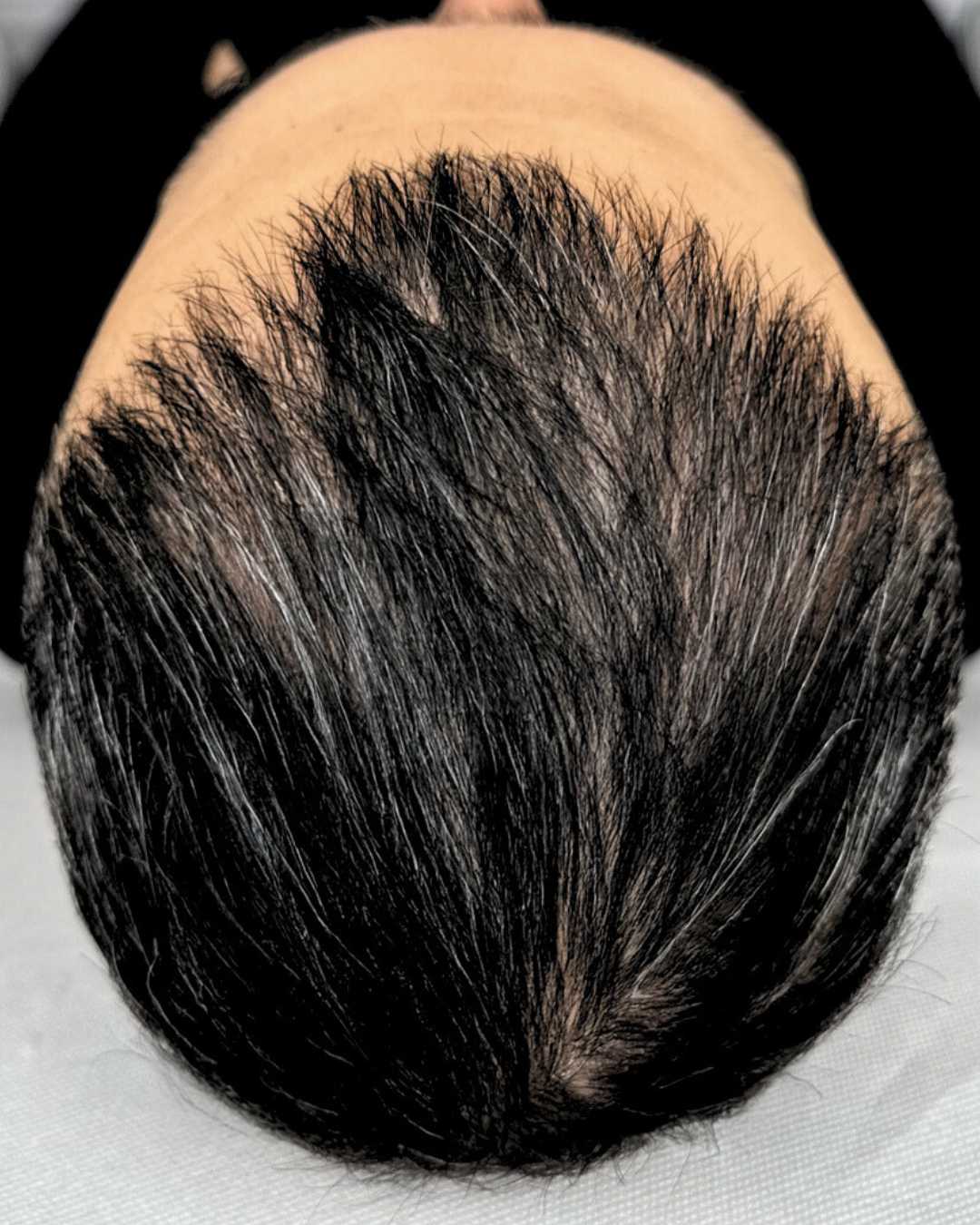
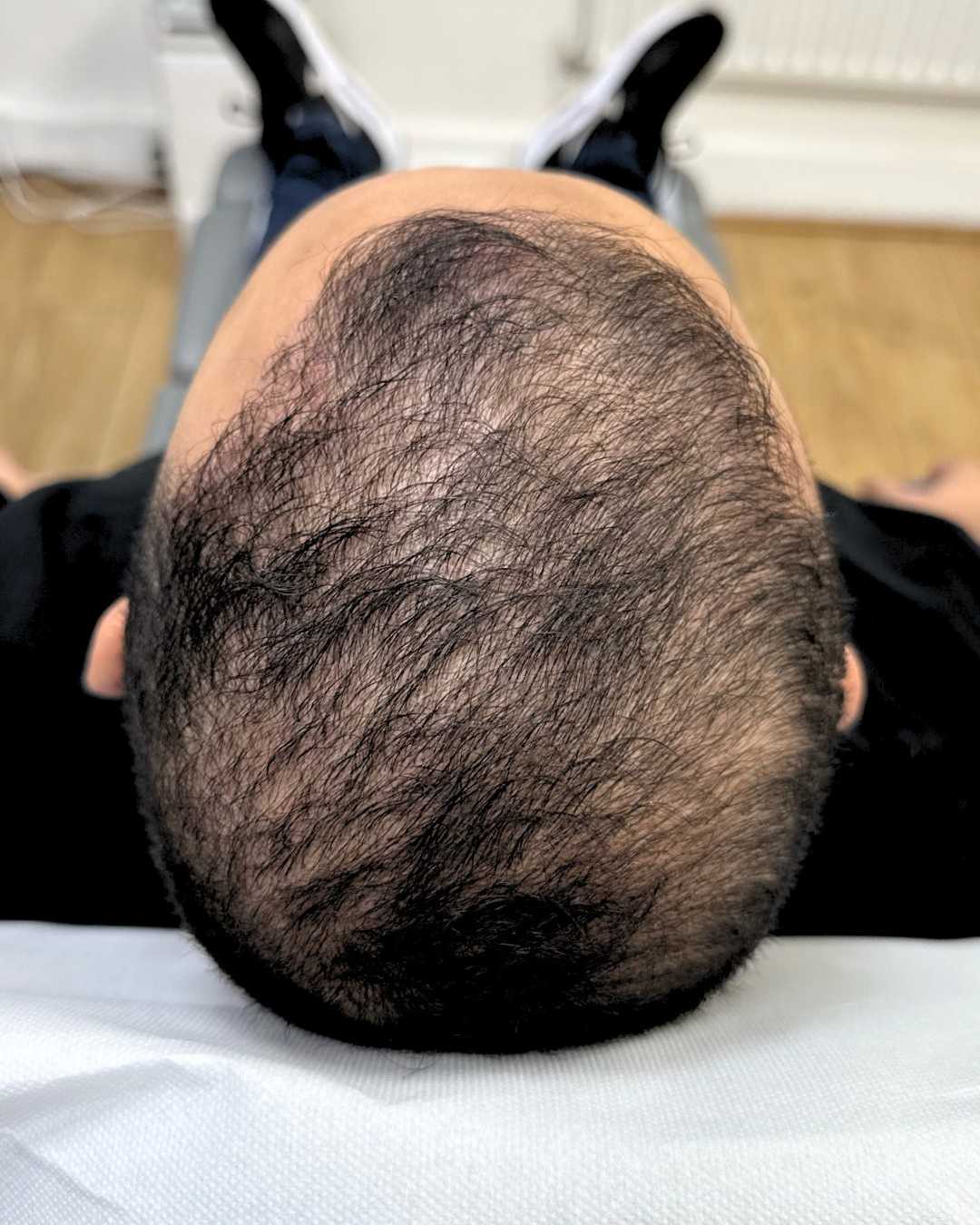
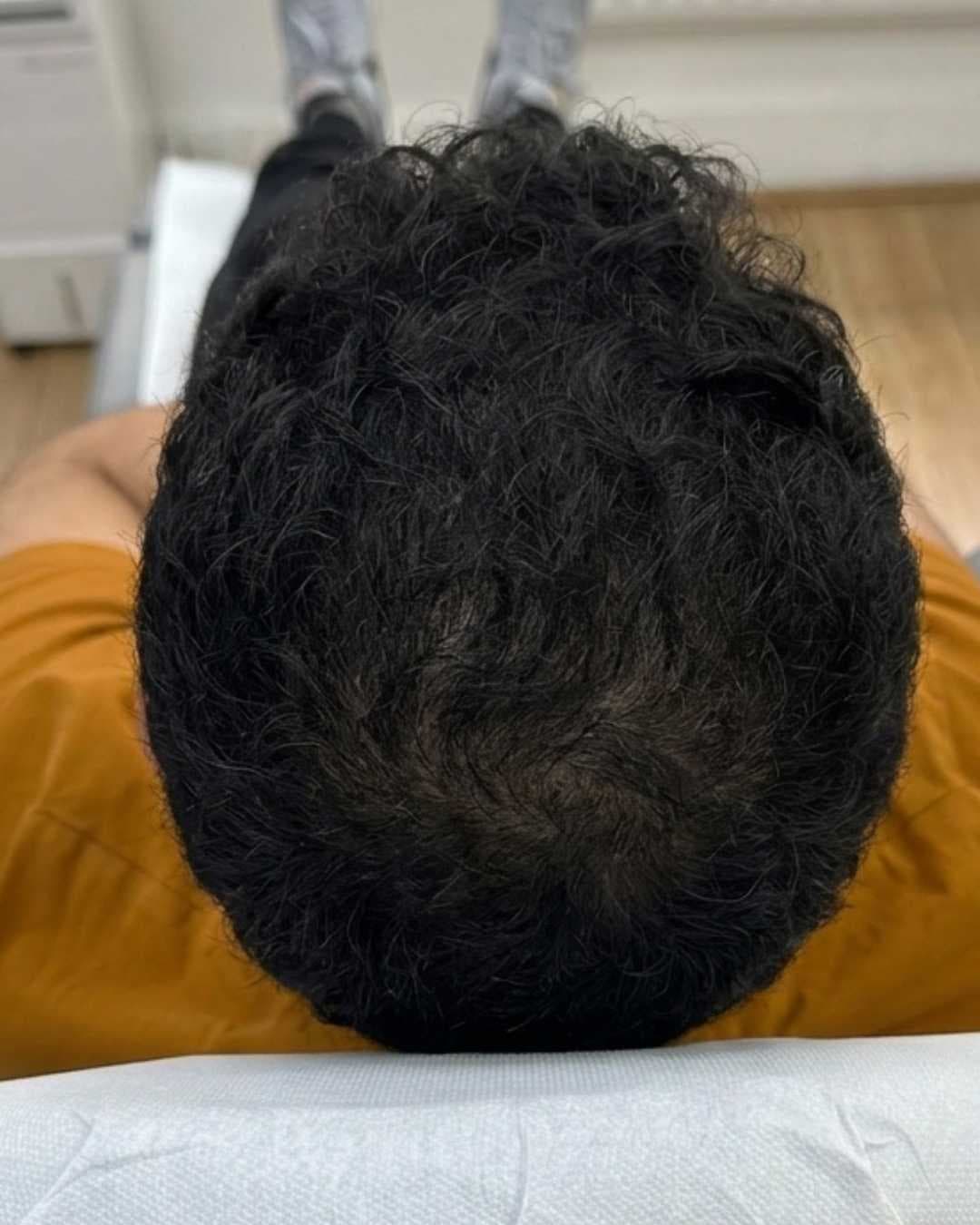
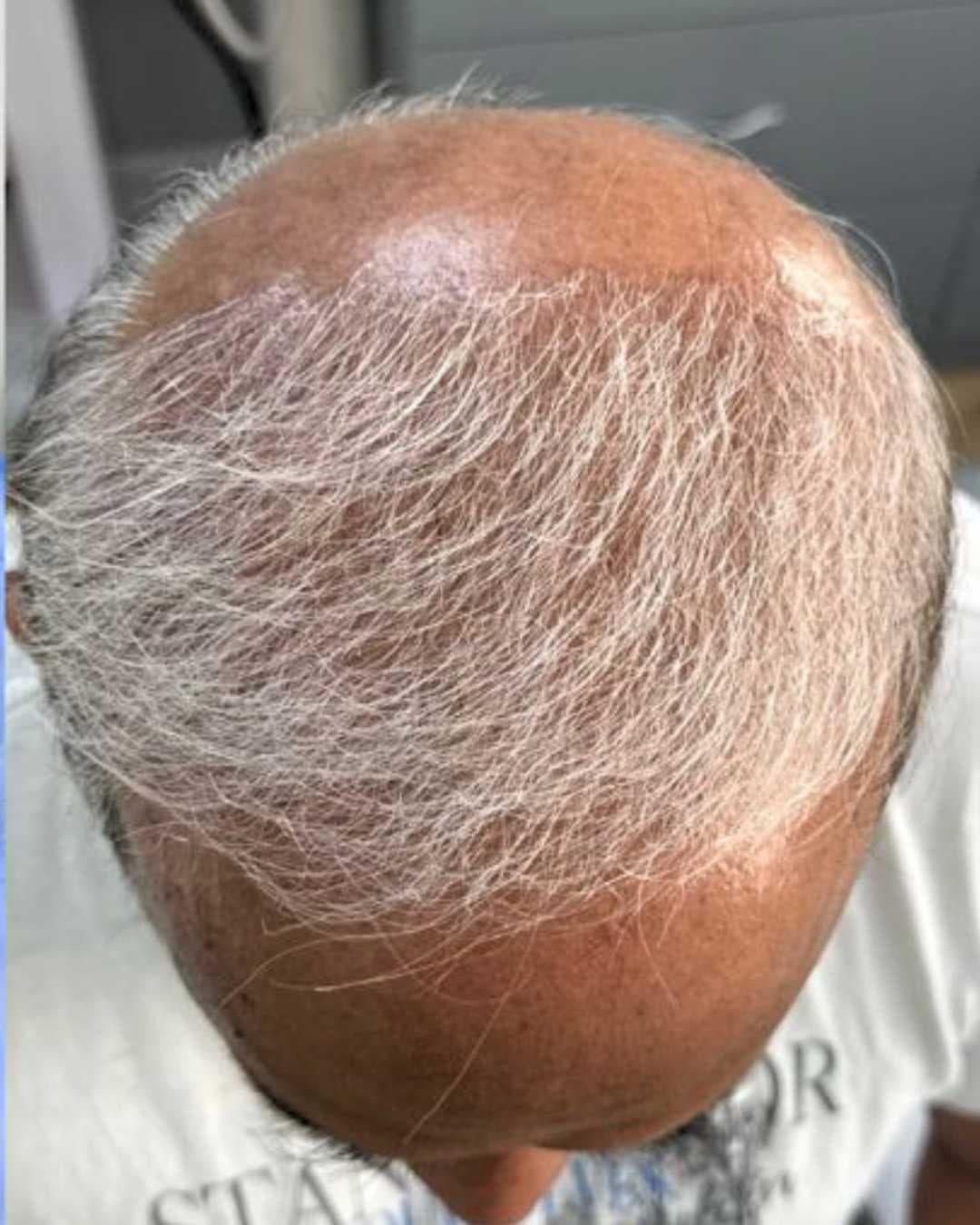
Before & after, honestly.
Unretouched outcomes from real MHB patients. Drag the slider on any photo to reveal the transformation.
Swipe sideways to see more cases →
 After
After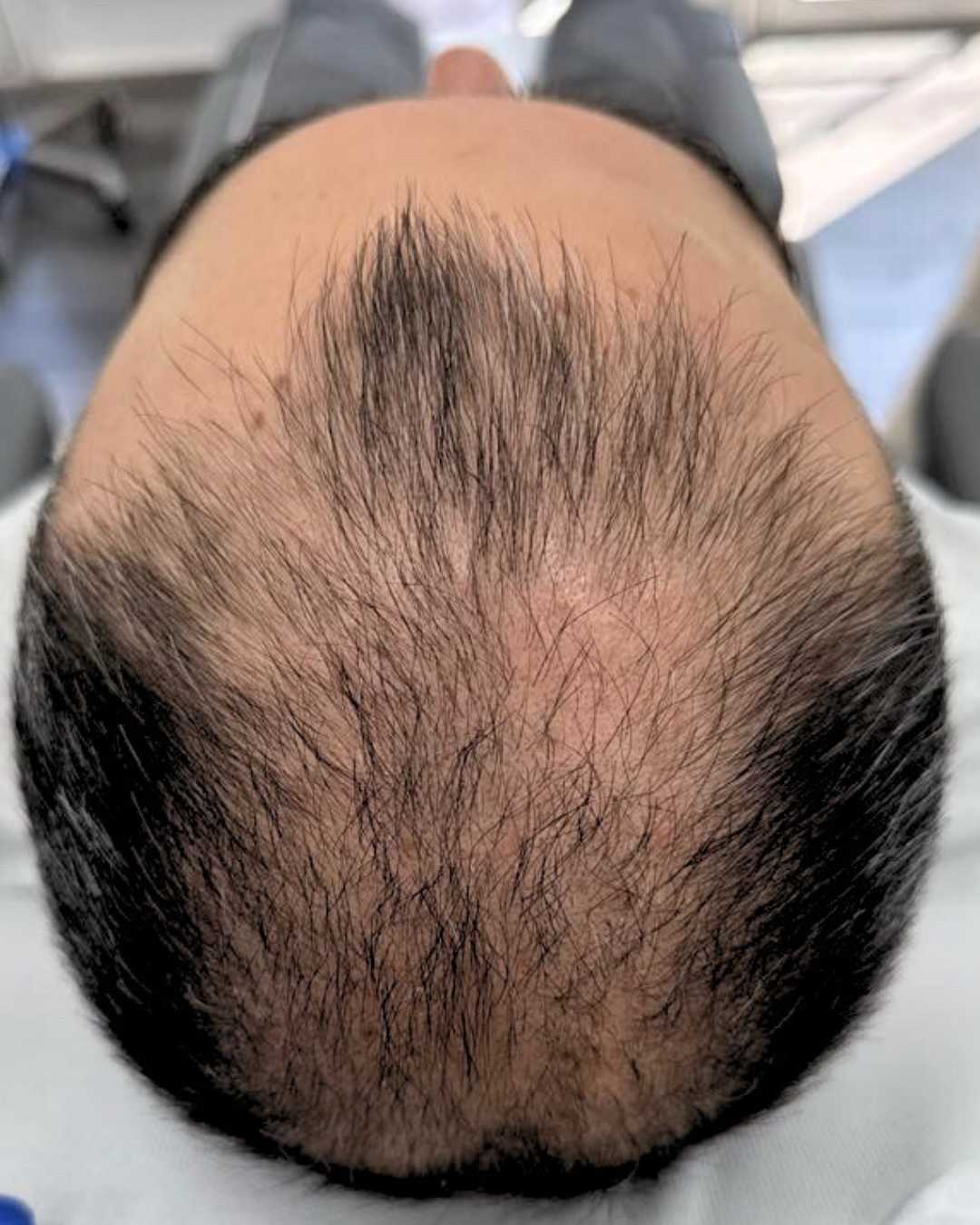 Before
 After
After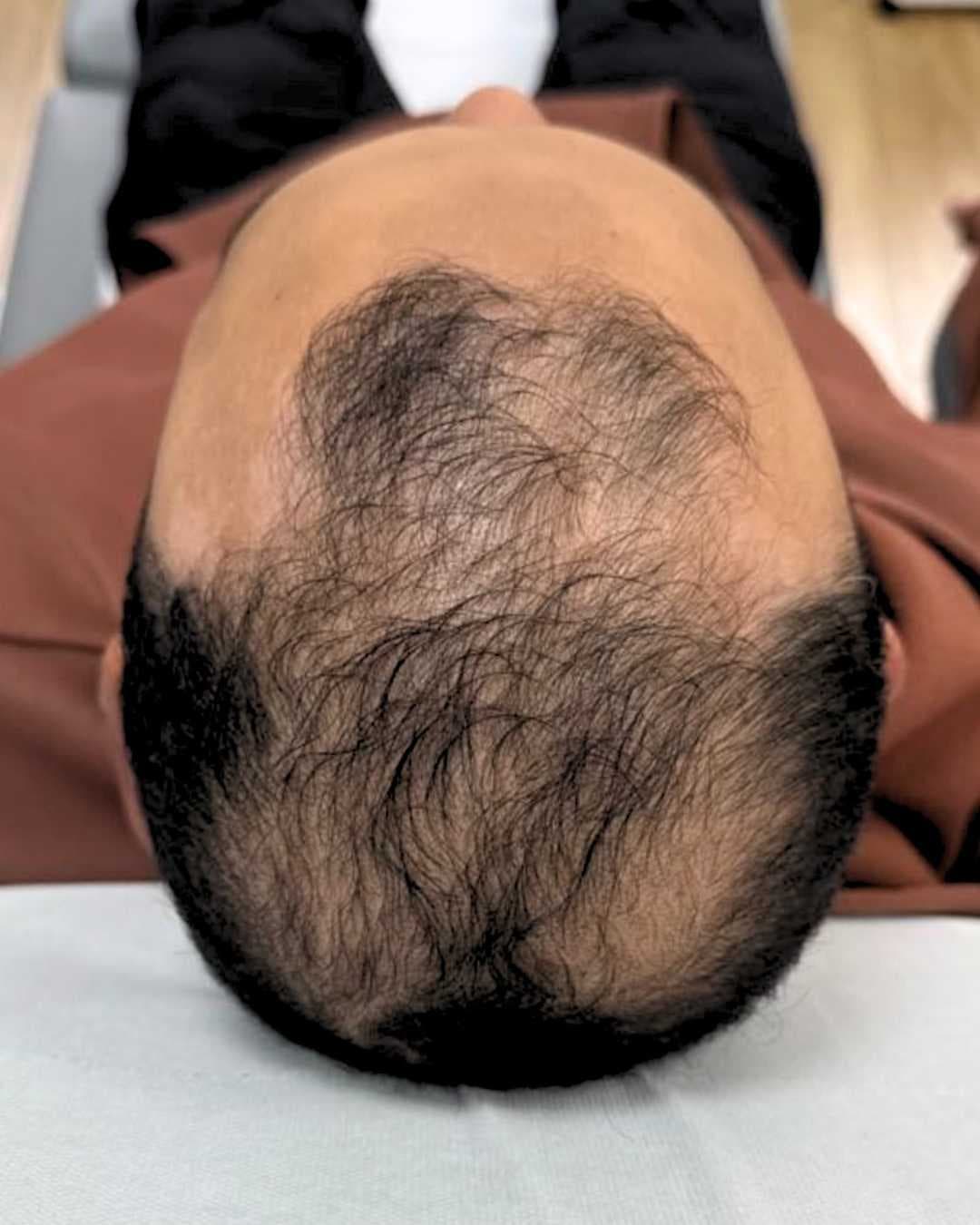 Before
 After
After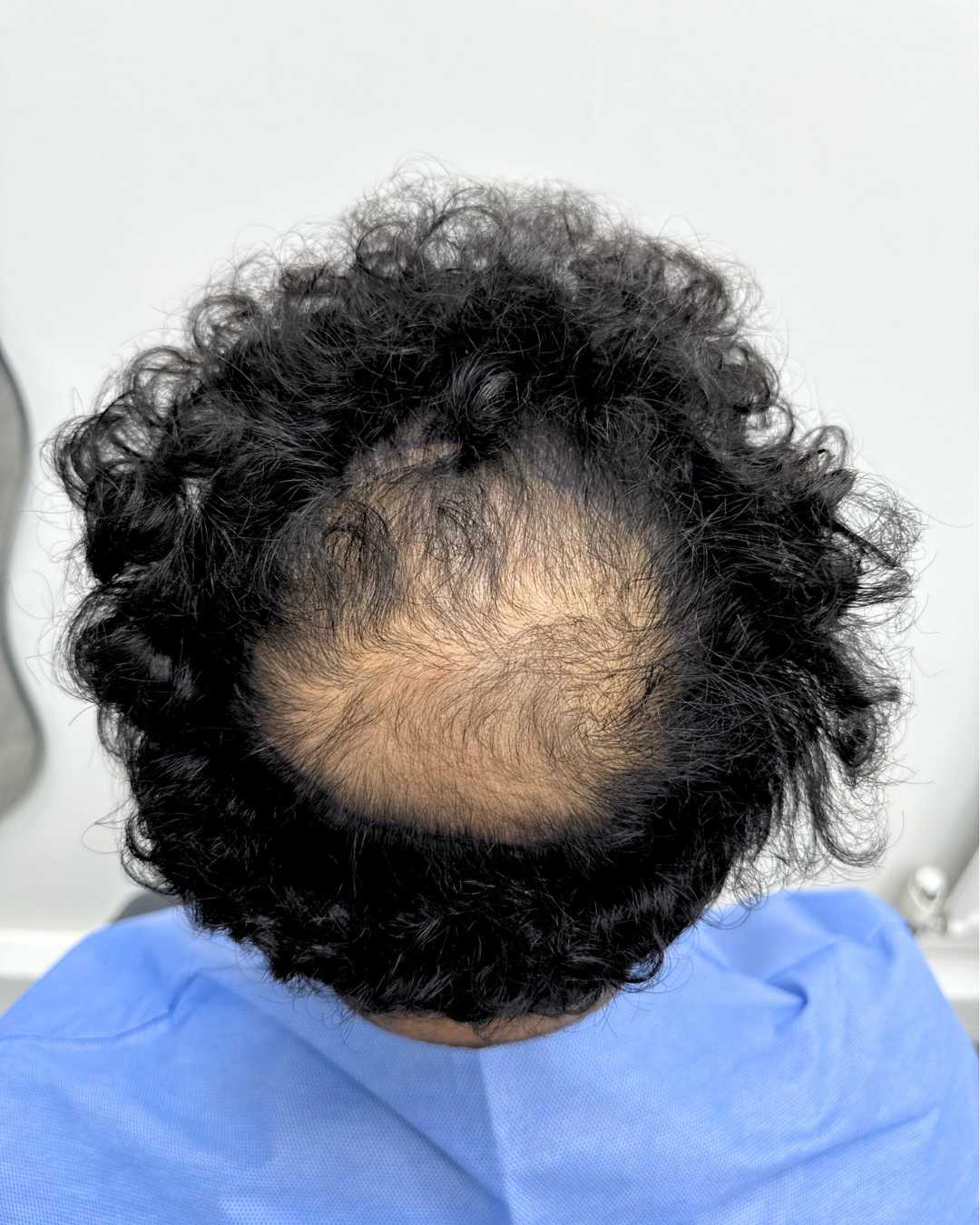 Before
 After
After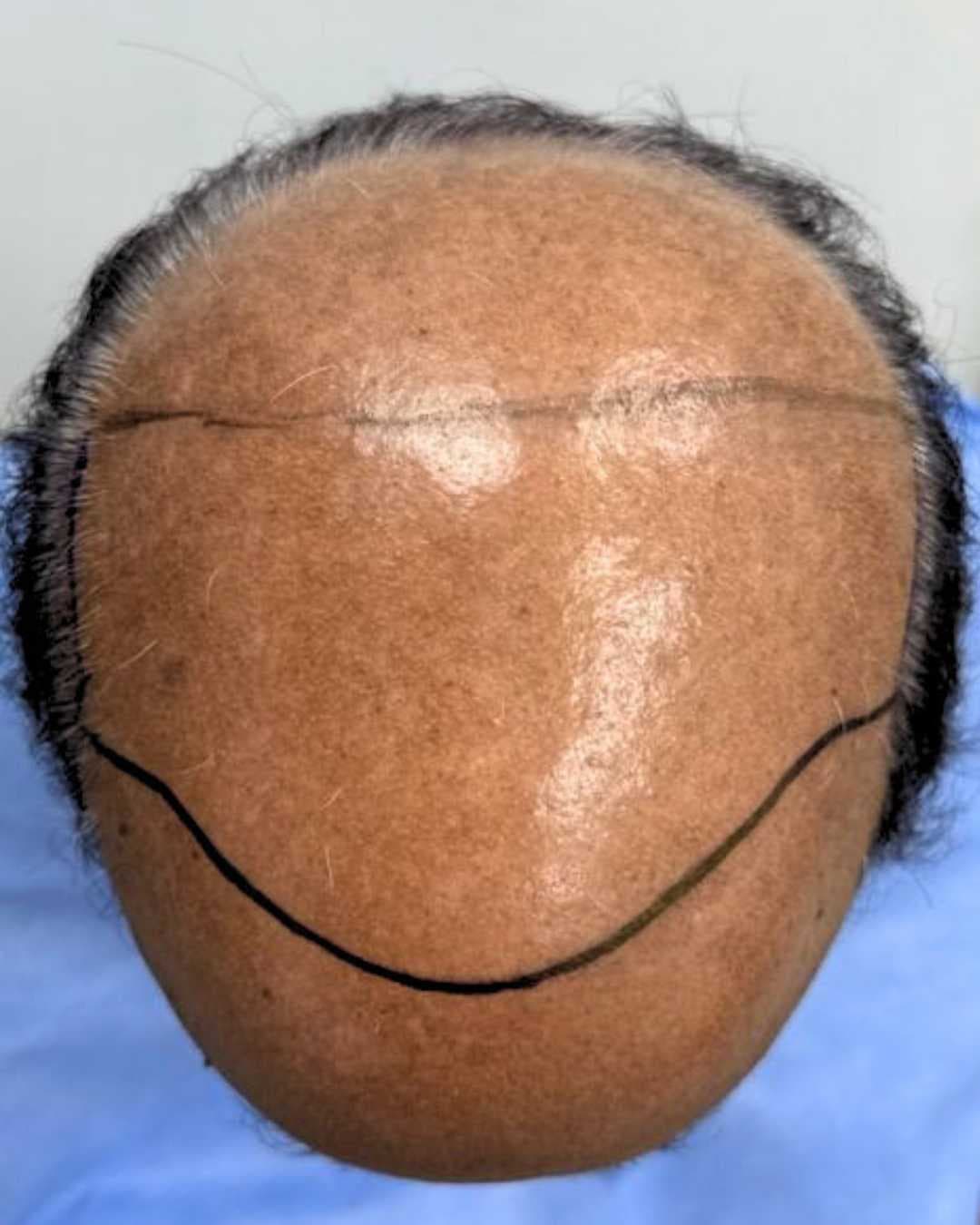 Before
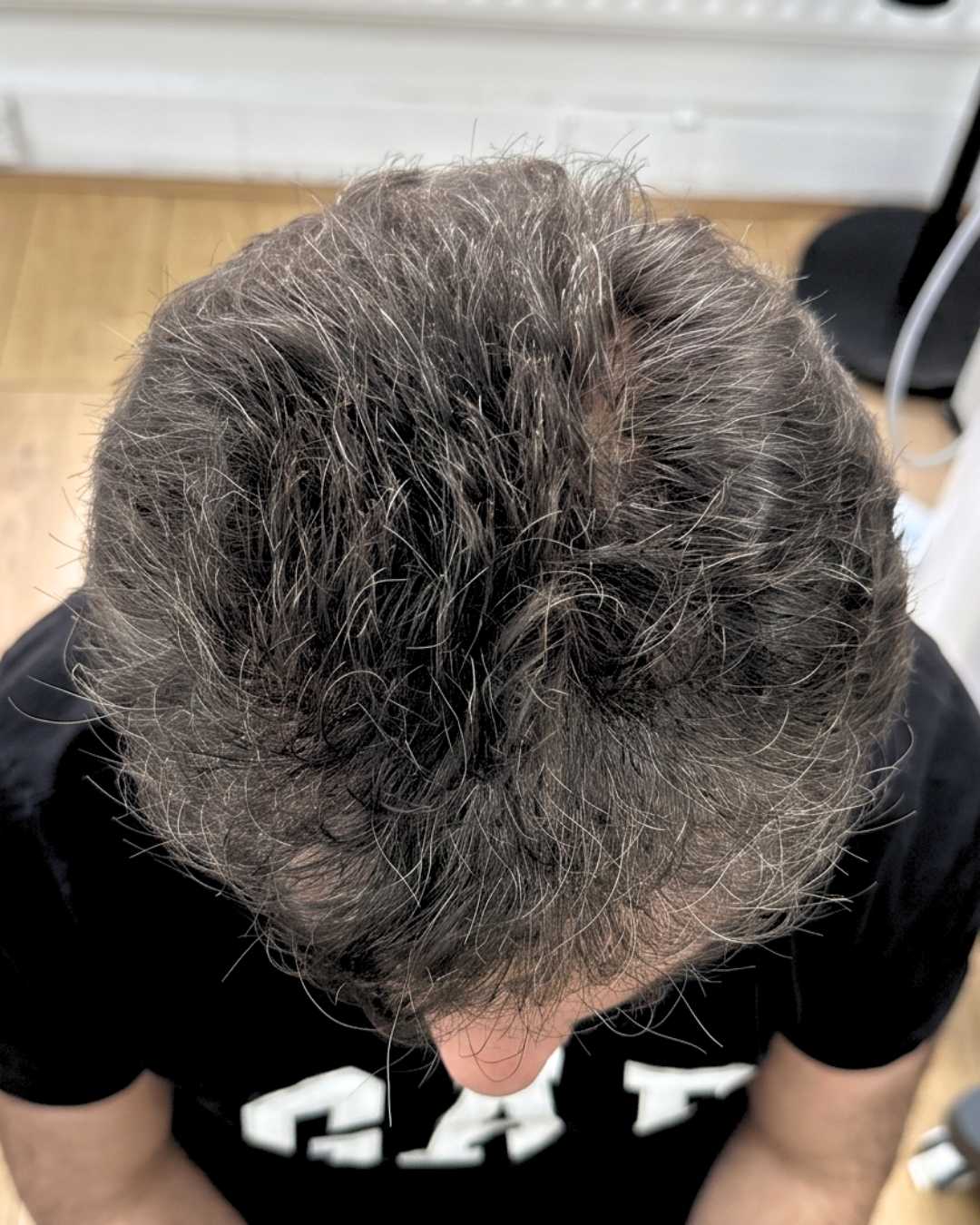 After
After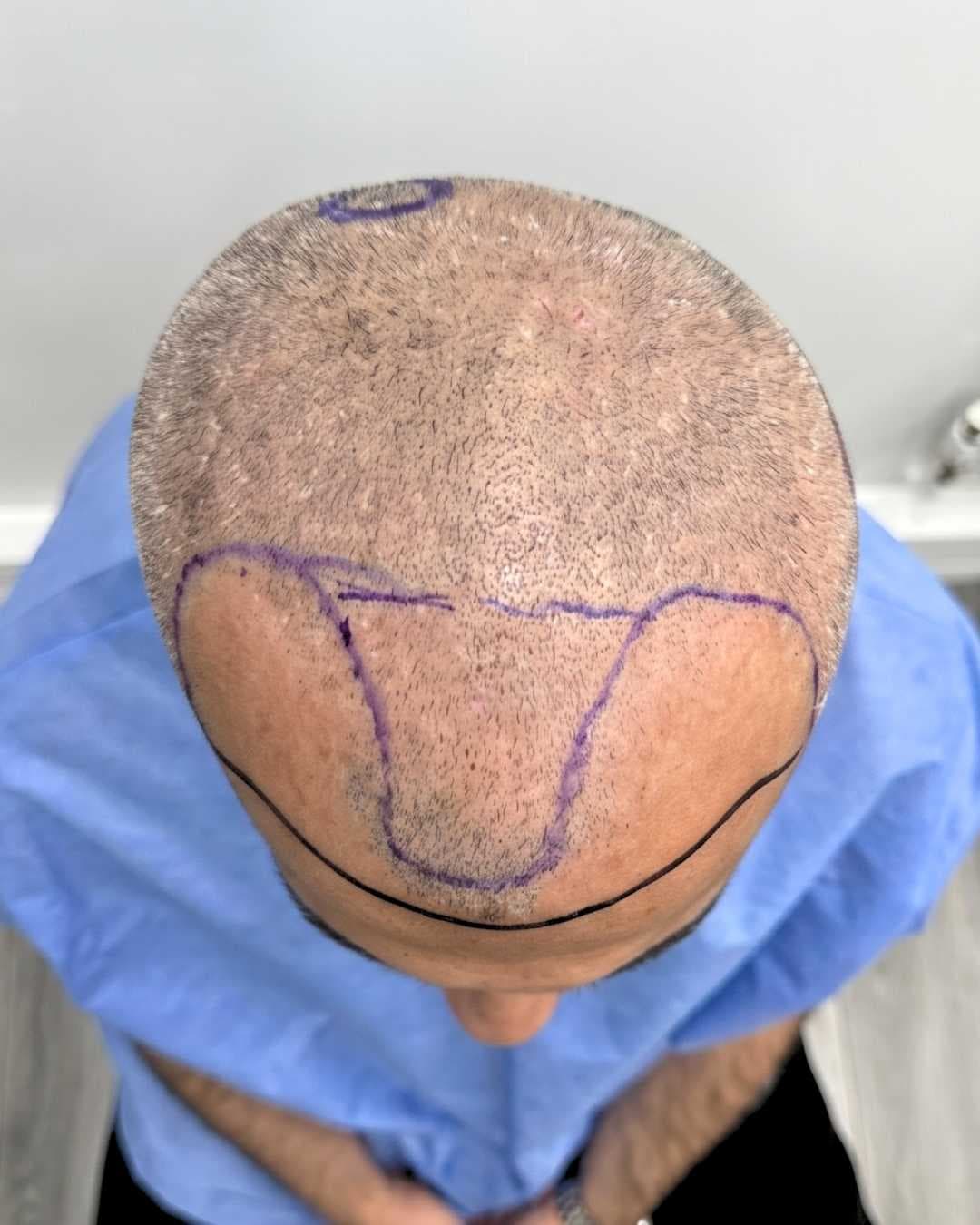 Before
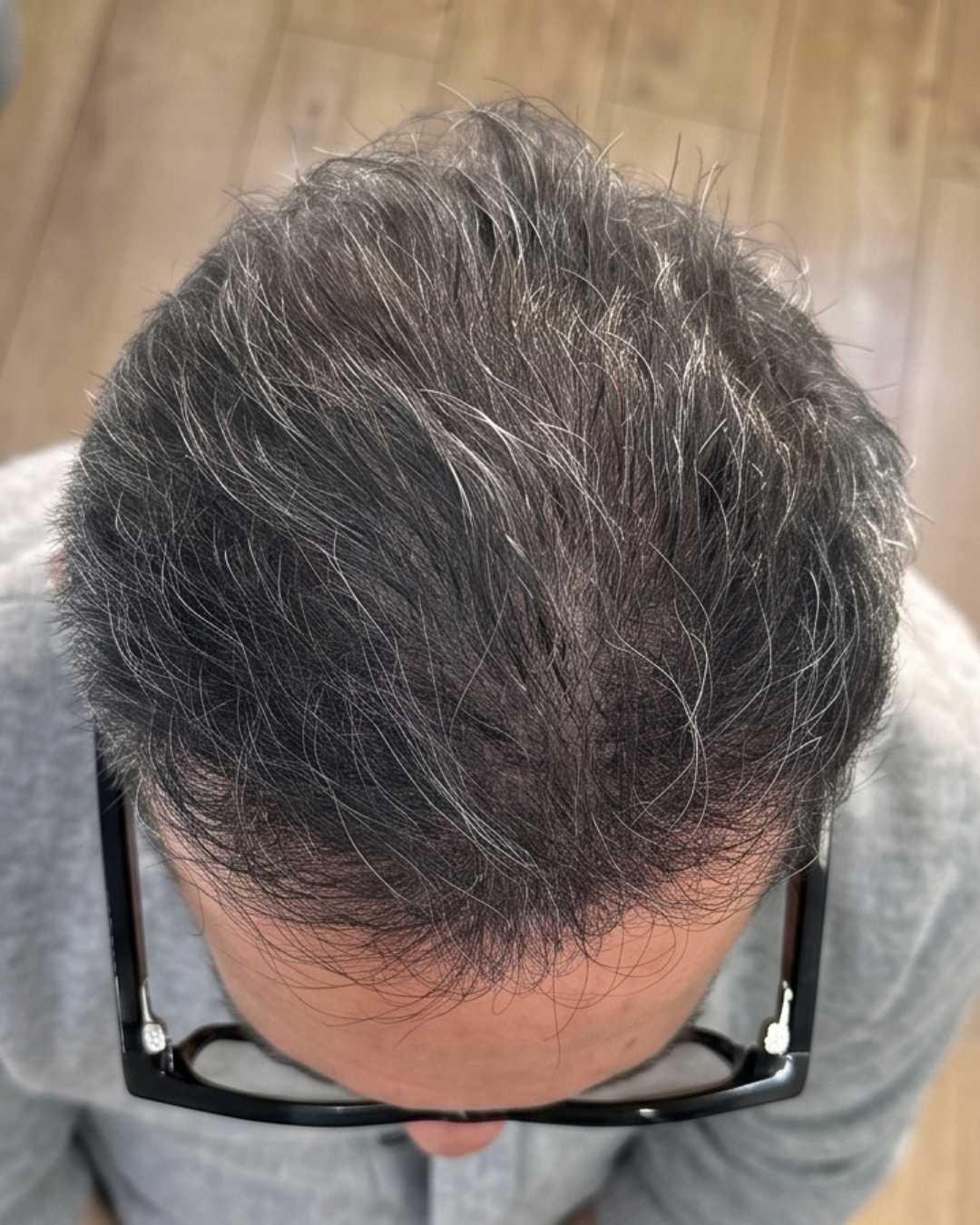 After
After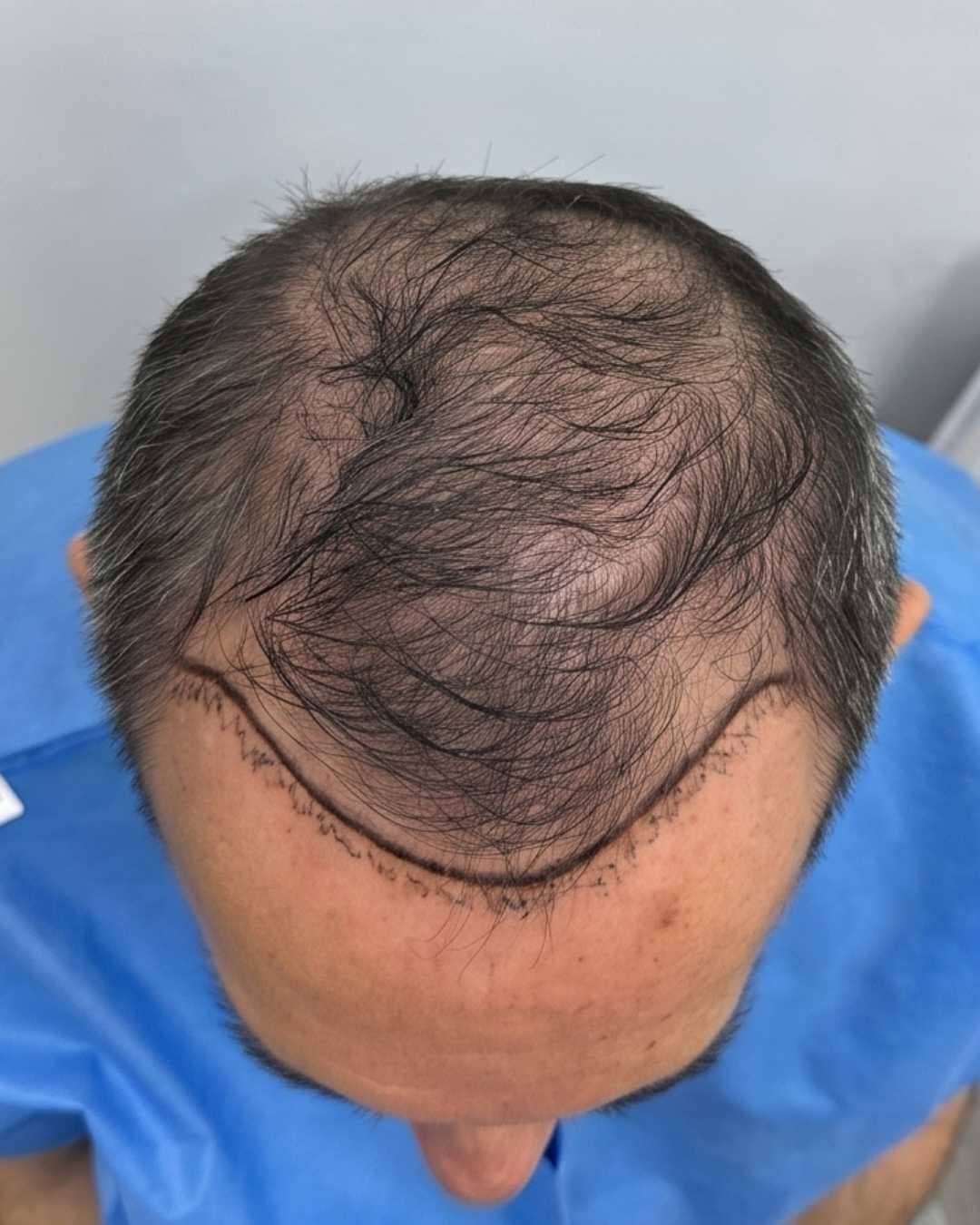 Before
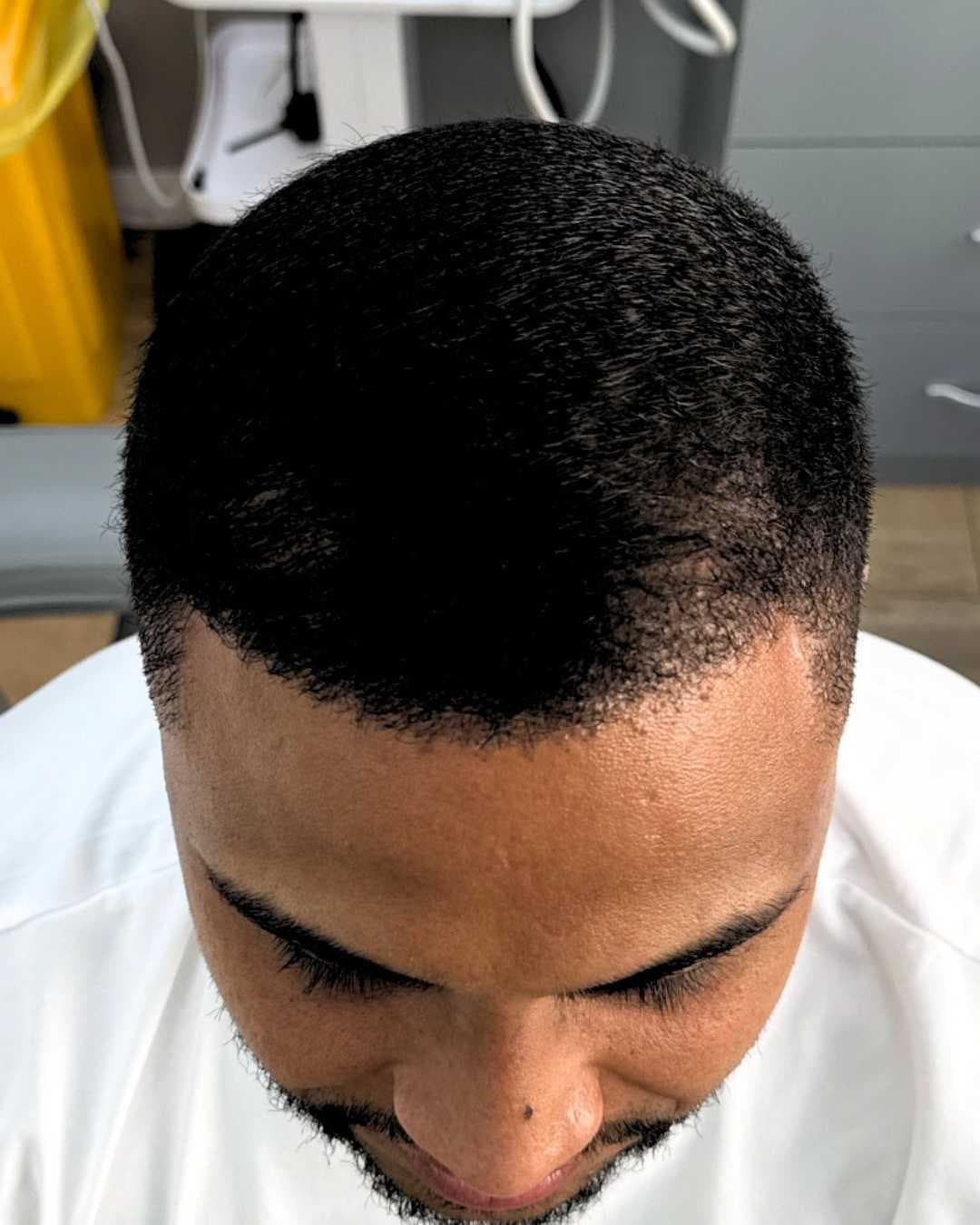 After
After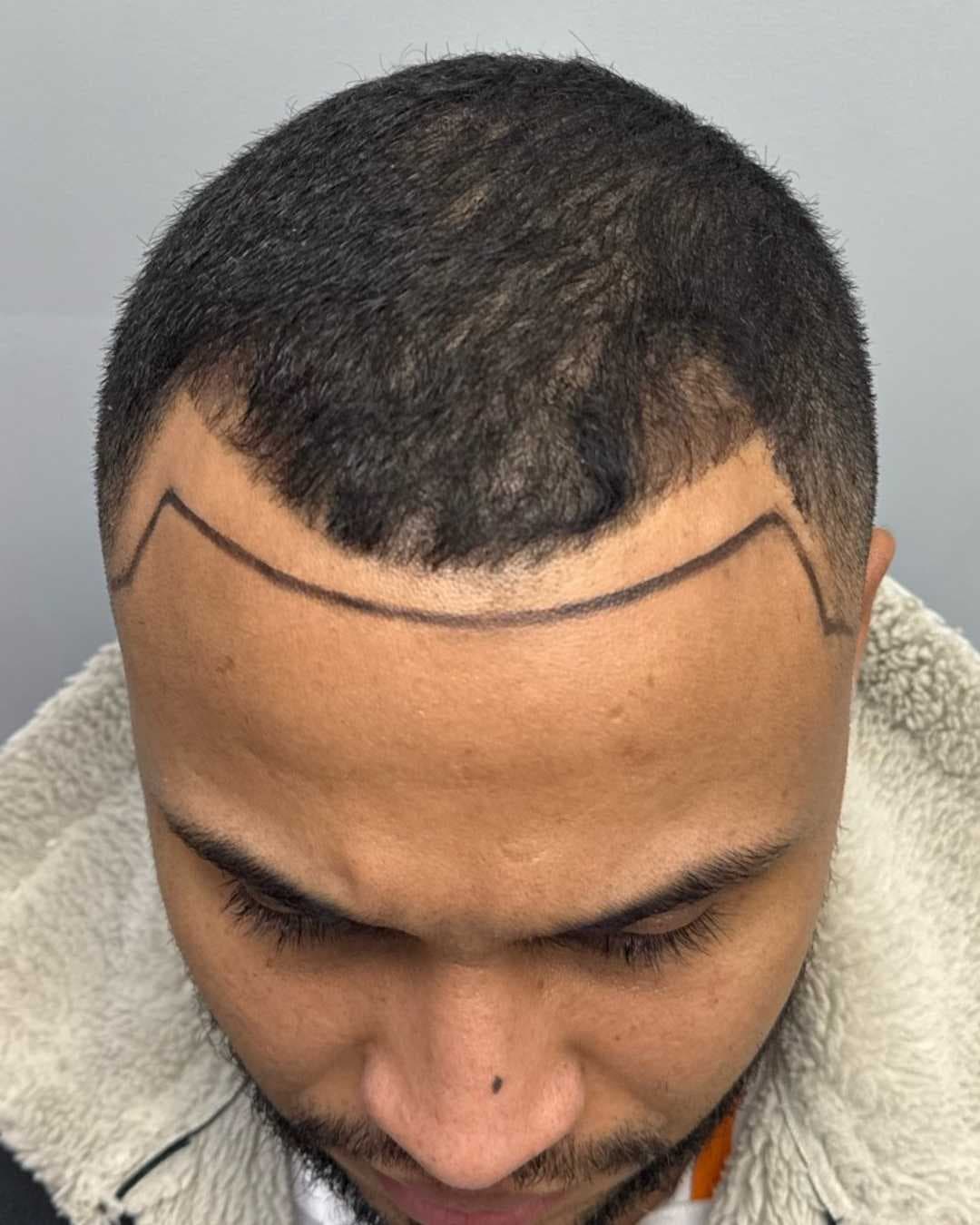 Before
Designing natural temple points.
Temple points sit at an acute angle relative to the frontal hairline. Grafts must follow local growth direction so hair lies flat and blends when worn short or brushed back.
We assess left-right symmetry, forehead width and how temples connect to the central hairline. A strong temple point without a coherent front line still looks incomplete.
- Acute angulation matched to your natural temple growth pattern
- Graduated density from the point inward, not a solid block
- Symmetry planning when one side has receded more than the other
- Hairline harmony so temples and front line age together naturally
What to expect on procedure day.
Temple grafts are usually placed within a wider FUE session that may include central hairline work. The day follows the same structure: design approval, donor harvest, implantation and aftercare briefing.
Because temples are at the edge of the scalp, redness can be visible in the first week. Most patients return to desk work within a few days, with activity restrictions as advised.
- Confirm your preferred hairstyle length so angles suit short and longer cuts
- Avoid blood thinners and alcohol as instructed before surgery
- Wear a button-front shirt so donor dressings are easy to manage
- Follow sleeping and washing guidance to protect grafts at the temples
Temples alone or with hairline work.
Some patients need temples only when the central hairline is stable. Others have recession across the full frontal frame and benefit from combined planning in one session or a staged approach.
Donor hair is finite. We allocate grafts where they change the face most while protecting options if loss progresses at the crown or mid-scalp.
- Temples only: when corners are hollow but the central line is acceptable
- Hairline + temples: the most common pattern in male recession
- Revision cases: correcting weak or asymmetric temple points from prior work
- Staged approach: when graft budget must be spread across multiple zones
Aftercare and temple growth timeline.
Temple grafts follow the standard transplant cycle: shedding, then progressive regrowth from around month three toward twelve-month maturity. Temple hair can look wispy before it thickens.
We review healing at follow-ups on Regent Street. Front-facing photos at baseline help you judge real change rather than day-to-day lighting.
- Avoid helmets, tight hats and friction on temple grafts early on
- Sleep position matters; we advise how to protect the sides at night
- Short haircuts are fine once grafts are secure; we guide timing
- Report any unusual swelling, numbness or signs of infection promptly
Temple transplant vs hairline vs crown vs PRP
Use this table when deciding whether temple work alone is enough or part of a wider plan. We advise based on your pattern of loss and donor supply.
| Factor | Temple transplant | Hairline transplant | Crown transplant | Hair PRP |
|---|---|---|---|---|
| Best for | Receded temple points | Central frontal recession | Vertex thinning and whorl | Early thinning with follicles left |
| Typical zones | Temporal points and sides | Front edge and central line | Crown swirl and vertex | Diffuse or early thinning areas |
| Design focus | Acute angles and symmetry | Soft edge and density graduation | Spiral mapping and coverage | Follicle support, not new hair |
| Downtime | Days of aftercare; months to mature | Similar FUE recovery | Similar FUE recovery | Usually same-day desk work |
| Replaces bald scalp? | Yes, where grafts are placed | Yes, where grafts are placed | Yes, where grafts are placed | No |
Why temple restoration matters.
Temples complete the hairline. Ignoring them can leave an otherwise good transplant looking unfinished or oddly wide at the forehead.
Narrows a wide forehead look
Restored temple points visually balance facial proportions and soften a boxy upper face.
Completes the hairline
Works with central hairline design for a cohesive frame rather than an isolated front patch.
Early recession solution
Often the first area patients notice and want corrected before loss spreads elsewhere.
Natural acute angles
Grafts follow temple growth direction for an undetectable blend, even with short sides.
Symmetry correction
Useful when one temple has receded further, restoring balance left to right.
Surgeon-led framing
Temple points are planned as part of full facial framing artistry on Regent Street.
How temple transplants are performed.
Focused FUE restoration with hairline harmony in mind at our London clinic.
Frame assessment
Temples and central hairline are designed together in Consultation for one coherent result.
Donor selection
Suitable grafts harvested, typically via FUE, with follicles matched to the recipient zone.
Temple implantation
Acute angles and graduated density recreate natural points at both sides.
Maturation follow-up
Growth reviewed as new temple hair sheds, regrows and thickens over months.
Who is temple transplant for?
Common in male pattern recession and anyone with hollow or asymmetric temple points. Suitability confirmed at a free Consultation.
- Receded or hollow temple points on one or both sides
- Asymmetric left-right temples after uneven recession
- Combined hairline and temple loss needing a full frontal plan
- Patients wanting a stronger, more youthful facial frame
- Refinement of weak temple points from prior transplant work
- Early pattern baldness focused on the corners with adequate donor
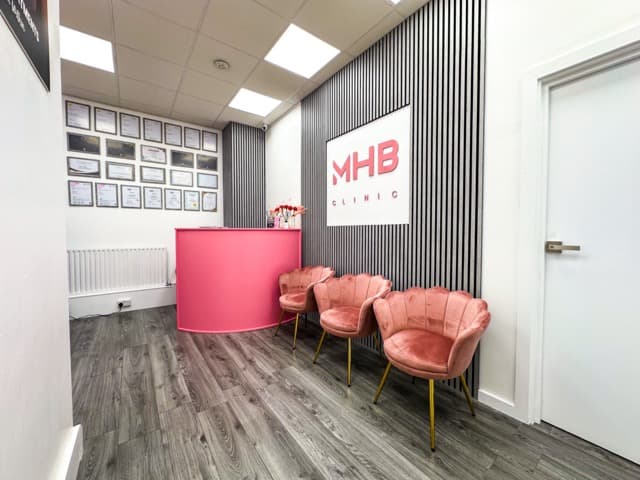
Treated in the heart of London.
Your temple hair transplant treatment takes place in our calm Regent Street suite. Personal care, medical standards, and a team that stays with you from consultation through aftercare.
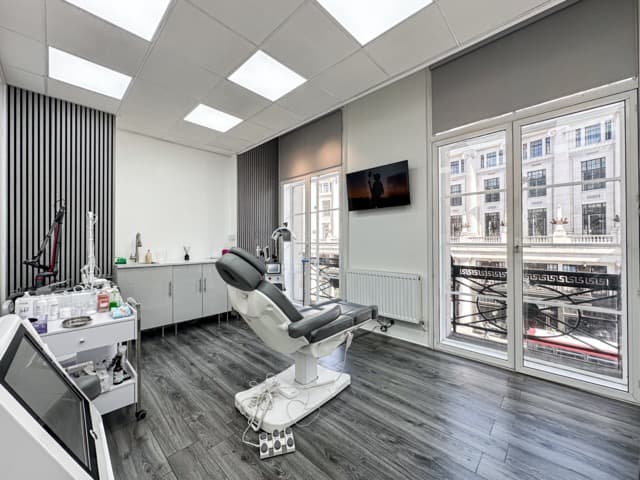
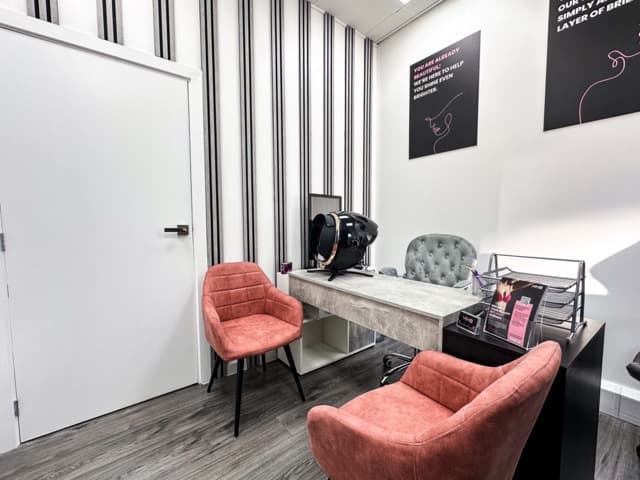
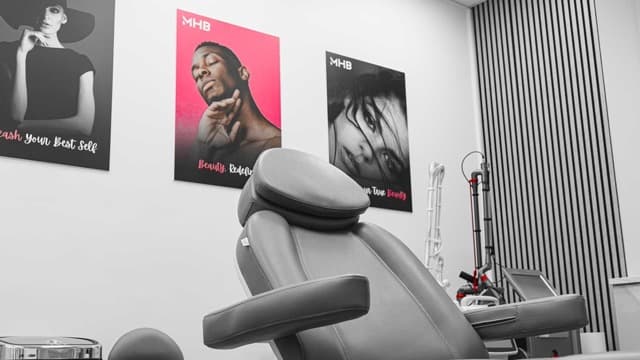
What patients say on Google.
Temple Hair Transplant, answered.
Clear answers on design, recovery, combined plans and cost before you book a free Consultation at our Regent Street clinic.
What is a temple hair transplant?
Grafts restore recessed temple points so the sides of the hairline look fuller and more balanced with the rest of the frontal frame.
Are temples harder to transplant?
They require precise acute angulation and density control. Experienced design makes the difference between natural and obvious.
Do I need hairline work too?
Often temples and central hairline are planned together. Sometimes temples alone are enough when the front line is still acceptable.
How long do temple results take?
Same growth cycle as other FUE zones: shedding, then progressive density building toward twelve months.
Will temple grafts look natural when hair is short?
With correct angles and density, yes. We plan for your preferred hairstyle length at Consultation.
Is downtime different for temples?
Similar to other FUE areas. Visible redness is temporary; aftercare is zone-specific and explained on the day.
How much does a temple transplant cost in London?
Cost depends on graft count and whether temples are combined with other zones. Your quote is confirmed at your free Consultation only.
Why MHB Clinic for temple restoration?
We treat temples as part of full facial framing artistry in central London, with surgeon-led planning and honest graft budgeting.
Find out if temple restoration completes your frame.
Precise FUE at MHB Clinic.
Book a free, no-obligation Consultation at our Mayfair clinic. We will assess your temples, plan harmony with your hairline and confirm graft numbers and your personalised quote before you commit.
- 100% free Consultation
- Expert Consultant