
Alopecia treatment in London with a clear, honest plan.
Alopecia needs the right pathway for your type of loss. At MHB Clinic we assess the scalp, explain options from regenerative care to transplant when suitable, and never rush you into the wrong treatment.
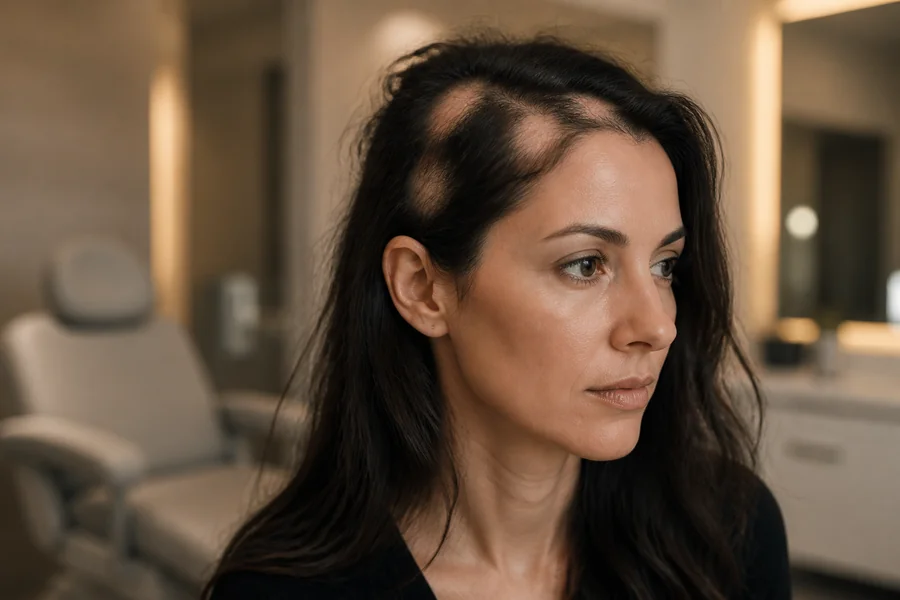
What is alopecia?
Alopecia is a broad term for hair loss. It can mean patchy autoimmune loss (alopecia areata), pattern thinning, traction-related loss, scarring alopecia, or shedding after stress or illness. Each type behaves differently, so treatment must match the diagnosis.
At MHB Clinic on Regent Street, we start with a careful consultation: history, scalp examination and realistic goals. Some patients need regenerative support for thinning hair. Others need medical referral. Stable, suitable cases may be candidates for transplant later.
We will not promise surgery for active autoimmune patches or for loss that needs medical management first. Clarity protects your donor hair and your result.
Many patients come to us unsure whether PRP, exosomes, mesotherapy or FUE is the right next step. Our role is to map the type and activity of your loss first, then recommend a pathway that is honest for your scalp, not a one-size-fits-all package.
Book a free Consultation for Alopecia.
Tell us you are interested in Alopecia. We will confirm a time at our Regent Street clinic.
- 100% free Consultation
- Expert Consultant
Before and after, honestly.
Real alopecia outcomes from patients treated at MHB Clinic. Drag the slider on any photo to compare before and after.
Swipe sideways to see more cases →
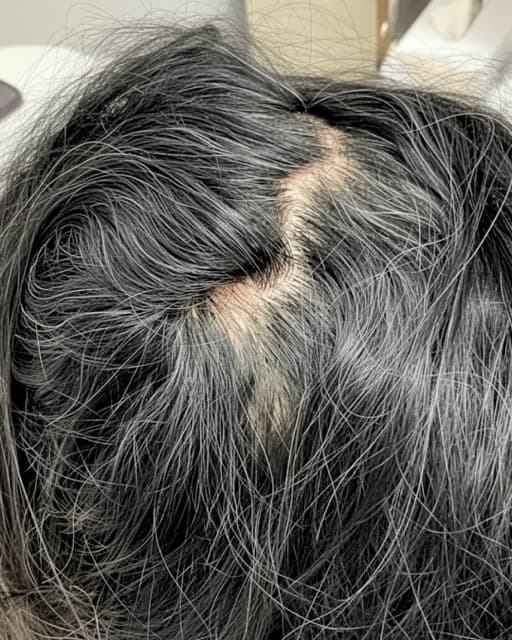 After
After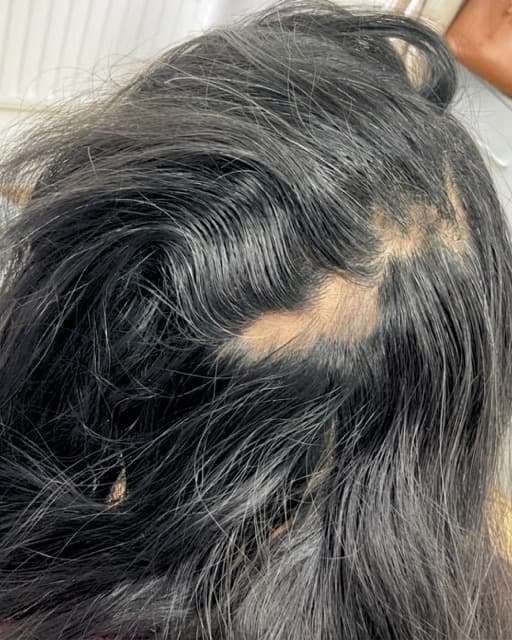 Before
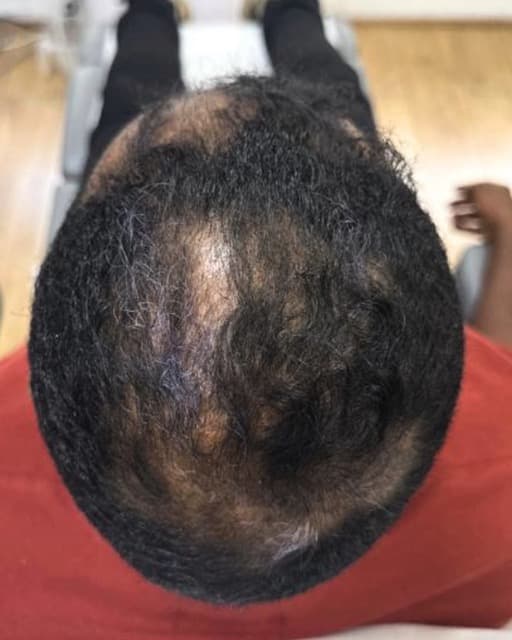 After
After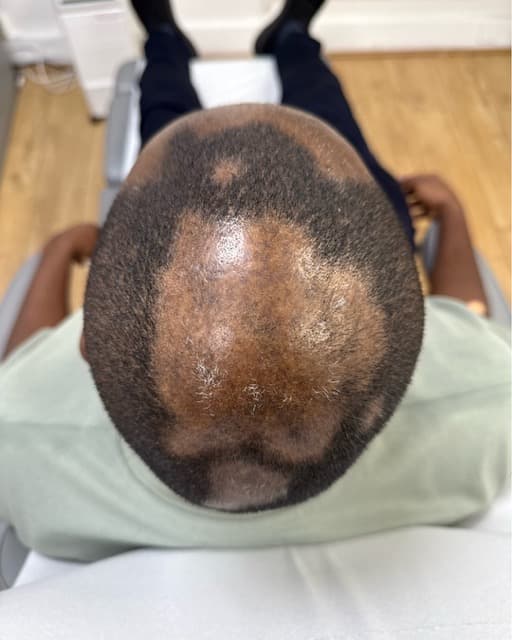 Before
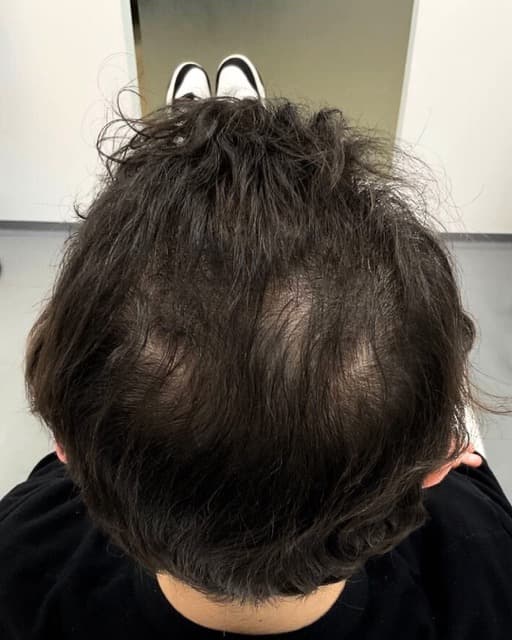 After
After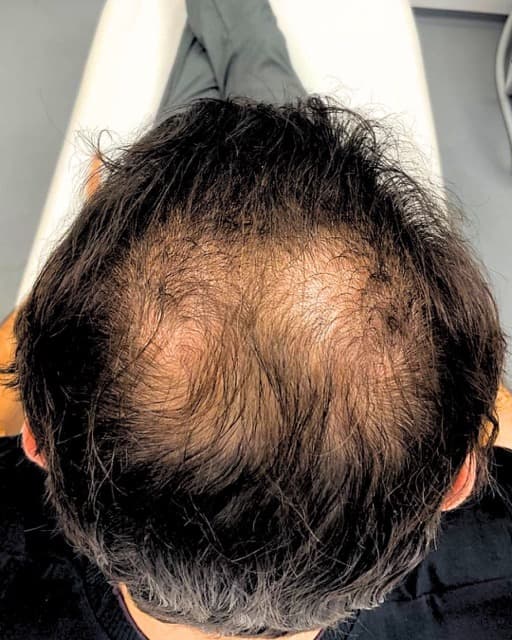 Before
Common alopecia patterns we assess.
Not all hair loss is the same. Alopecia areata often appears as smooth, round patches and may be active or stable. Pattern thinning follows a different timeline. Scarring alopecia needs careful diagnosis because follicles may be permanently damaged.
We look at where you are losing hair, how fast it is changing, and what you have already tried. That assessment drives whether regenerative care, medical referral, watchful waiting, or transplant discussion is appropriate.
- Alopecia areata: patchy loss; activity matters before any surgical plan
- Pattern thinning: gradual miniaturisation; regenerative and medical options often fit
- Diffuse shedding: may need medical investigation alongside scalp support
- Scarring types: require careful diagnosis; transplant is not always possible
What to expect at your first consultation.
Your first visit at our Regent Street clinic is an assessment, not a sales appointment. We take a history, examine the scalp and donor area, and photograph key zones so progress can be compared fairly later.
You leave with a plain-language explanation of what we think is happening, what options are realistic now, and what should wait. If you need dermatology or GP input, we say so openly.
- Bring a list of medications, supplements and past treatments tried
- Note when patches appeared or shedding increased, if you can
- Ask anything: we prefer direct questions to vague promises
- Plan time for a thorough conversation, not a rushed five-minute chat
Regenerative care, medical referral or transplant.
When follicles are still present and loss is suitable for clinic-led care, we may recommend PRP, PRF, exosomes, mesotherapy or supportive scalp treatments as part of a structured course.
When disease is active, medically complex, or surgery would be risky, we recommend medical management or watchful waiting first. FUE may enter the conversation only when loss is stable and a surgeon judges the risk acceptable.
- Regenerative care: for thinning where follicles remain and clinic protocols fit
- Medical pathway: when GP or dermatology input is needed before or alongside clinic care
- Watchful waiting: honest advice when the best next step is observation and review
- Transplant discussion: only for selected stable cases when surgery is clinically sensible
Reviews and adapting your plan.
Alopecia pathways need follow-up. We review response after regenerative courses, watch for new activity in patchy loss, and adjust the plan if your scalp changes.
Photography at baseline and at agreed intervals helps you judge progress without day-to-day lighting tricks. If the plan needs to shift, we explain why in plain language.
- Attend review appointments so we can track activity and response
- Report new patches, rapid shedding or scalp symptoms promptly
- Continue agreed medical treatments unless we advise you to pause
- Contact the clinic if you need clarity before your next scheduled visit
Regenerative care vs medical pathway vs FUE vs watchful waiting
Use this table when you are unsure what alopecia care should look like. We recommend based on your diagnosis and activity, not a sales script.
| Factor | Regenerative care | Medical pathway | FUE transplant | Watchful waiting |
|---|---|---|---|---|
| Best for | Thinning with follicles still present | Active or complex disease needing medical input | Stable, suitable cases with acceptable surgical risk | Early or uncertain loss where observation is safest |
| Examples | PRP, PRF, exosomes, mesotherapy | GP or dermatology referral, prescribed care | Grafts into stable recipient areas | Structured review without immediate treatment |
| Timeline | Weeks to months per course | Varies with medical plan | Months for graft growth to show | Review intervals agreed at consultation |
| Replaces bald patches? | No (supports existing follicles) | Depends on diagnosis and response | Yes, where grafts are placed and disease is stable | Not applicable |
| When we say no | When follicles are gone or disease is active | When clinic-only care would delay needed medical care | When patches are active or scarring rules surgery out | When rushing treatment would waste time or donor hair |
Care built around your type of loss.
A London clinic that combines regenerative hair treatments with surgeon-led transplant advice when the time is right.
Diagnosis before products
We identify the likely pattern and activity of your loss so you are not sold a course that cannot work.
Regenerative toolkit
PRP, PRF, exosomes, mesotherapy and supportive scalp care when follicles are still present and underperforming.
Transplant when appropriate
FUE may help selected stable cases (for example inactive areata or pattern loss). Active disease is not forced into surgery.
Honest limits
We say clearly when medical referral, watchful waiting or a different pathway is the smarter choice.
Personal follow-up
Local aftercare and reviews on Regent Street, so your plan can adapt as the scalp responds.
Surgeon-led context
Advice comes from a team used to transplant decisions, so surgical options are discussed with real clinical caution.
How alopecia care works here.
A structured process from first visit to a plan you understand.
Consultation
We map where you are losing hair, how fast it is changing, and what you have already tried.
Scalp assessment
Examination of donor and recipient areas, with photography so progress can be compared later.
Personalised plan
Regenerative sessions, supportive care, medical referral if needed, or transplant discussion when stable and suitable.
Treat and review
We deliver the agreed course and review response before deciding on maintenance or next steps.
Who is alopecia care for?
Suitability depends on alopecia type and how active the loss is. A consultation confirms what is honest for you.
- Patchy hair loss (suspected alopecia areata)
- Diffuse thinning and increased shedding
- Patients unsure if they need PRP, exosomes or surgery
- Stable loss where transplant may be an option later
- People seeking a second opinion after online research
- Those who want local London follow-up, not a one-off package abroad
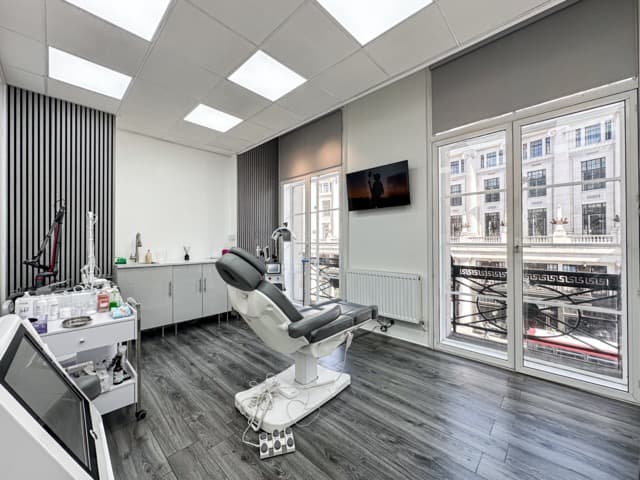
Treated in the heart of London.
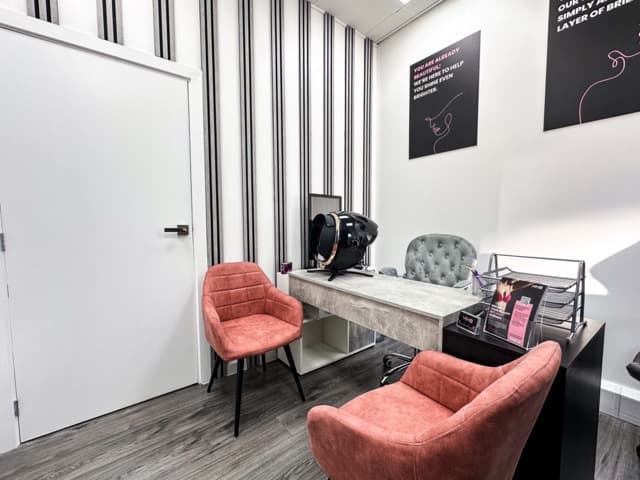
Your alopecia treatment takes place in our calm Regent Street suite. Personal care, medical standards, and a team that stays with you from consultation through aftercare.


What patients say on Google.
Alopecia care in London, answered.
Common questions from patients researching alopecia treatment at MHB Clinic.
Can alopecia areata be treated with a hair transplant?
Sometimes, but only when disease is stable and a surgeon judges the risk acceptable. Active patches are usually managed medically or with regenerative support first. We will say clearly if surgery is not appropriate yet.
What alopecia treatments do you offer in London?
After assessment we may recommend PRP, PRF, exosomes, mesotherapy, supportive scalp treatments, or FUE when suitable. Some patients need GP or dermatology input alongside clinic care.
Is alopecia the same as male or female pattern baldness?
Pattern baldness is one form of hair loss. Alopecia areata and other types behave differently. Using the wrong treatment for the wrong type wastes time and money.
How soon will I see results from alopecia treatment?
Regenerative courses are judged over weeks to months. Transplant growth follows the usual timeline of months. We set expectations at the start so you know what success looks like for your plan.
Do I need a referral to book at MHB Clinic?
You can book a free consultation directly at MHB Clinic. If we believe you need medical investigation beyond our pathways, we will advise you openly.
When is watchful waiting the right advice?
When loss is new, activity is unclear, or rushing into treatment could harm donor hair or delay proper medical care. Structured review can be the most honest next step.
Can PRP or exosomes help alopecia areata?
They may support some patients when follicles remain and the plan is appropriate, but they are not a cure for autoimmune patchy loss. Suitability depends on type, activity and what you have already tried.
Why choose MHB Clinic for alopecia care in London?
You get type-led assessment on Regent Street, regenerative options when they fit, surgeon-led transplant advice when stable cases allow, and honest guidance when the best plan is medical referral or watchful waiting.
Get clarity on your type of hair loss.
Assessment before any treatment plan.
Book a free, no-obligation consultation at our Regent Street clinic. We will assess your scalp, explain what type of alopecia we suspect, and outline an honest pathway before you commit to anything.
- 100% free Consultation
- Expert Consultant